Life On Pitcairn
The Pitcairn Islands comprise a British Overseas Territory
Location: South Pacific Ocean
Capital: Adamstown
Population: 35 (2023)
Currency: New Zealand Dollar
Language: English & Pitkern
Area: 47km2
Time Zone: UTC-08
Calling Code: +64
Internet TLDL: .pn
ISO 3166 code: PN
The Adamstown Neighbourhood
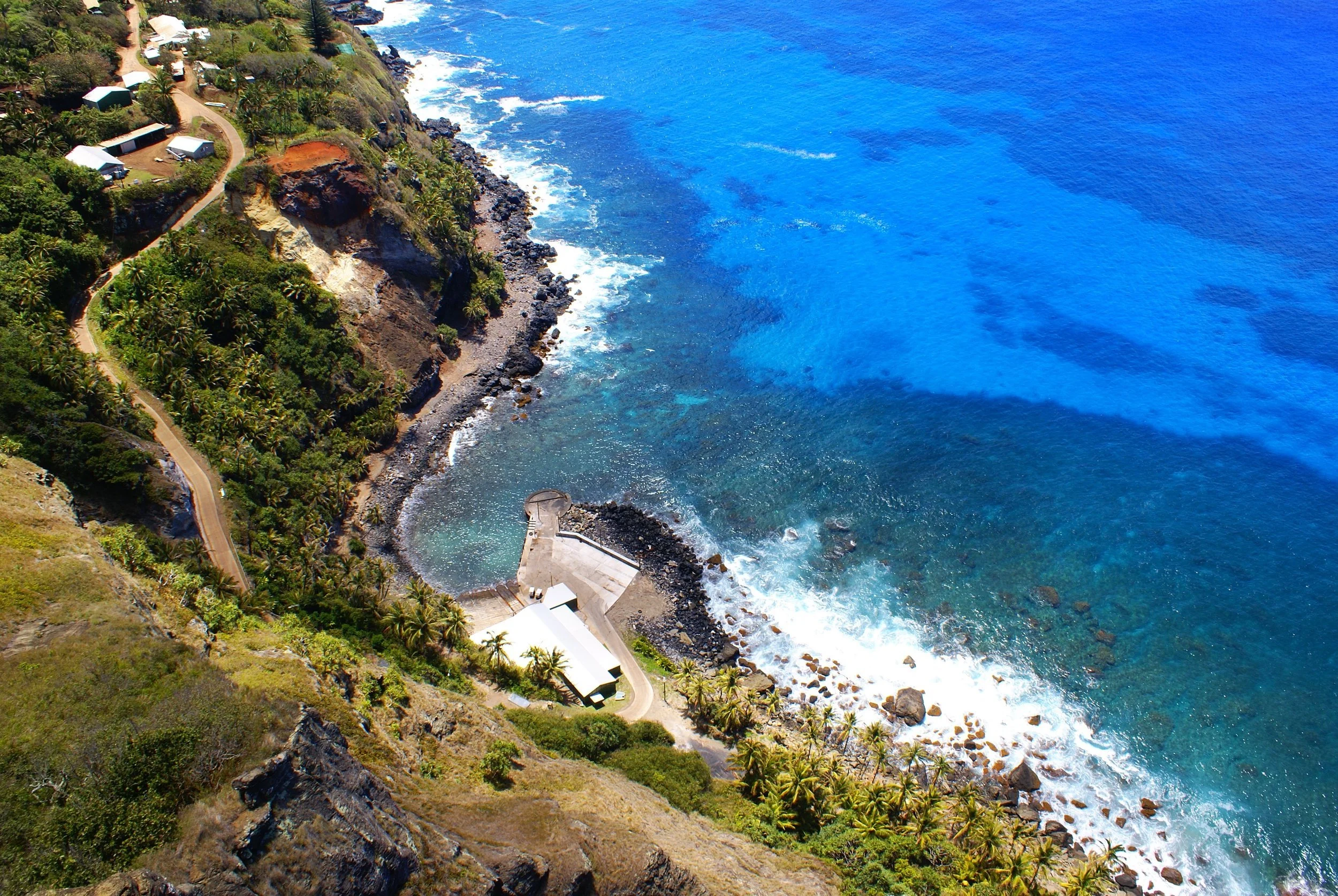
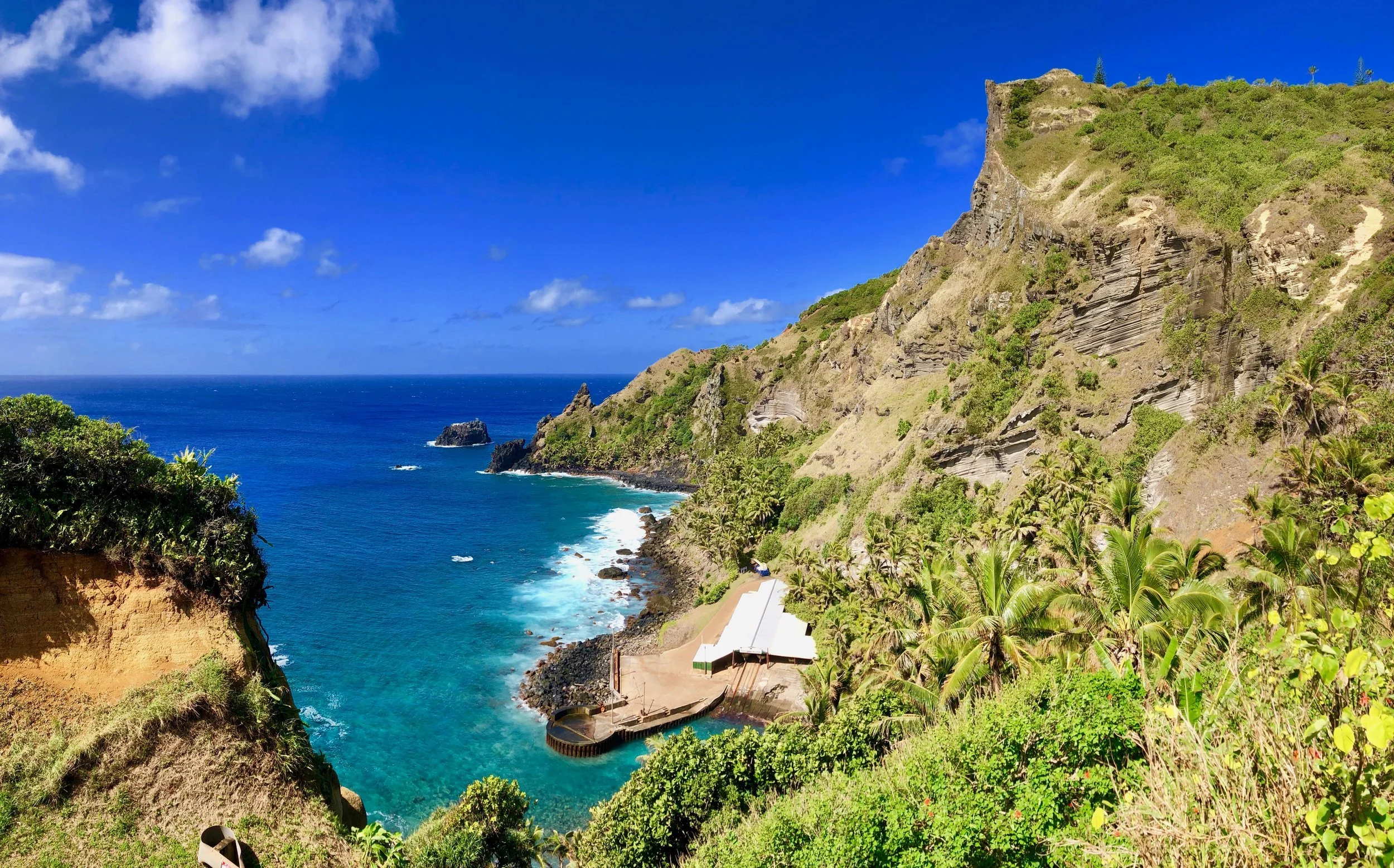
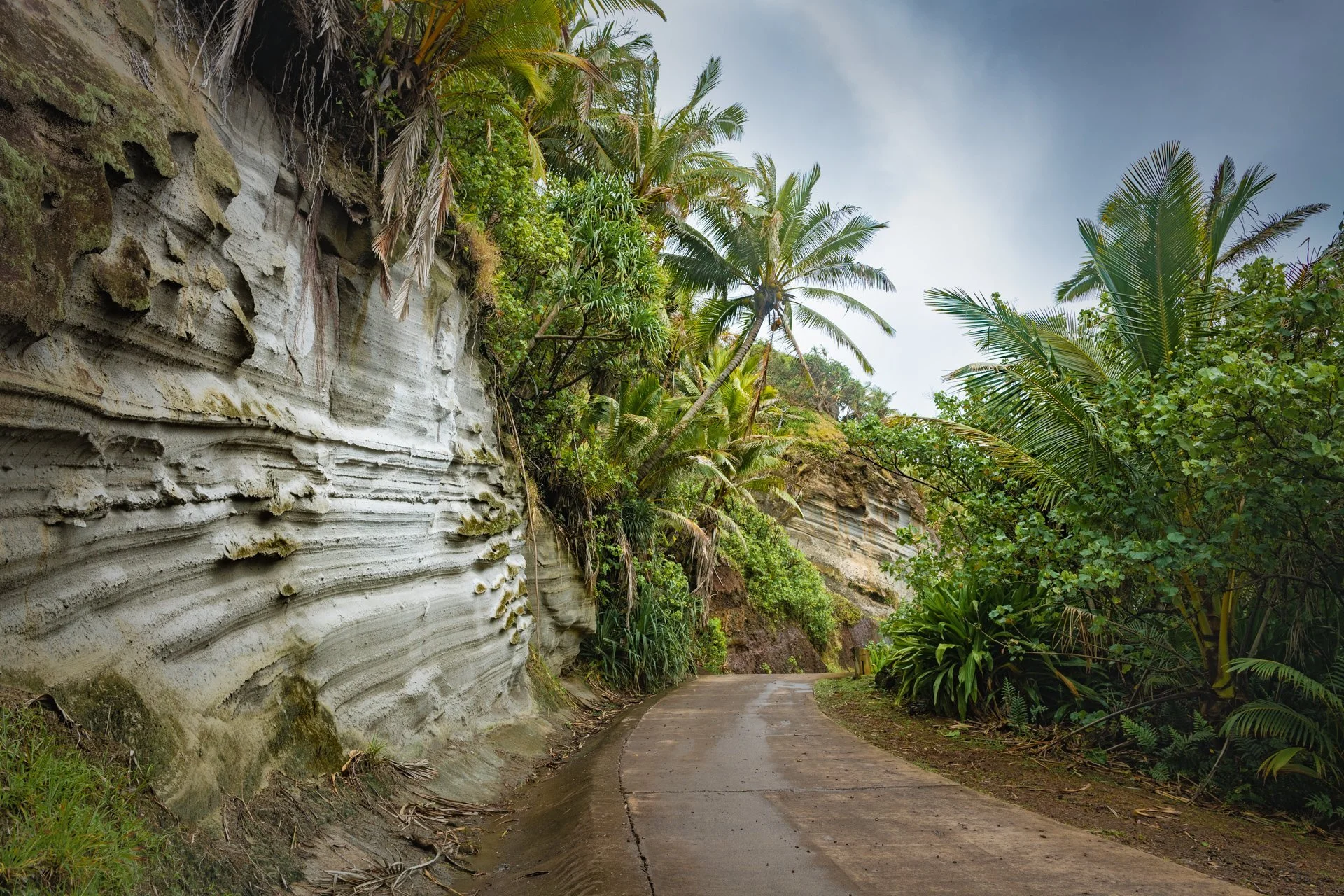
The threshold of Pitcairn is a steep road, known as the ‘Hill of Difficulty’, running from Bounty Bay to the Edge. This road, which follows the track used by the mutineers when they landed, rises upward for 70 metres hugging the side of the cliff. As in the days of the mutineers all supplies must still be transported up this road, although tractors and quad bikes make the task less onerous today.
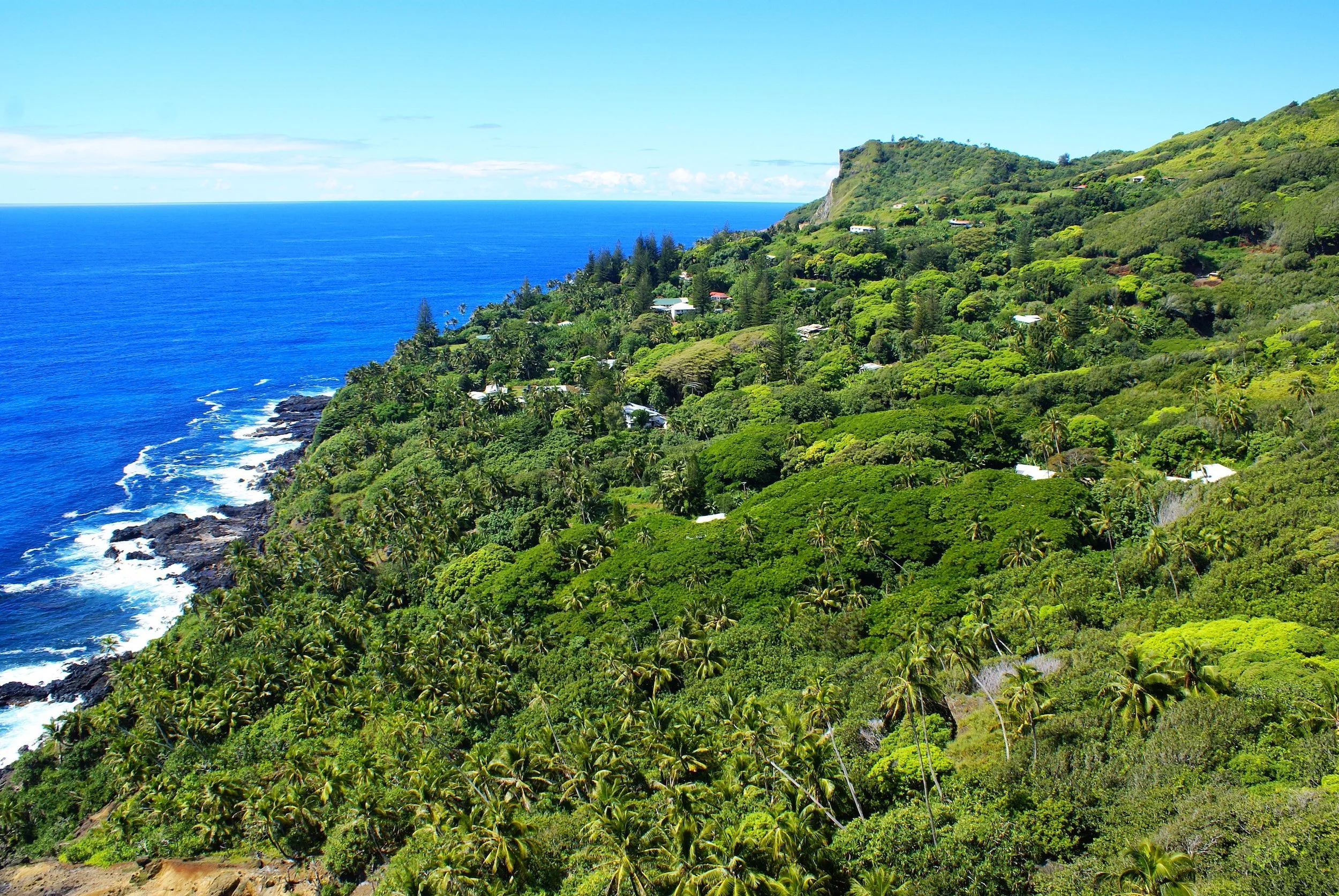
Most Pitcairners live in and around Adamstown, the original home of the mutineers, though some newer homes have been built at the top of the island to make the most of the incredible views. Adamstown is well situated on a northerly slope, 120 to 150 metres above sea level, and covers an area of 20 hectares. From the Edge, the main road currently runs for about 800 metres through Adamstown, roughly parallel with the coastline. The houses are scattered along the main road and side roads.
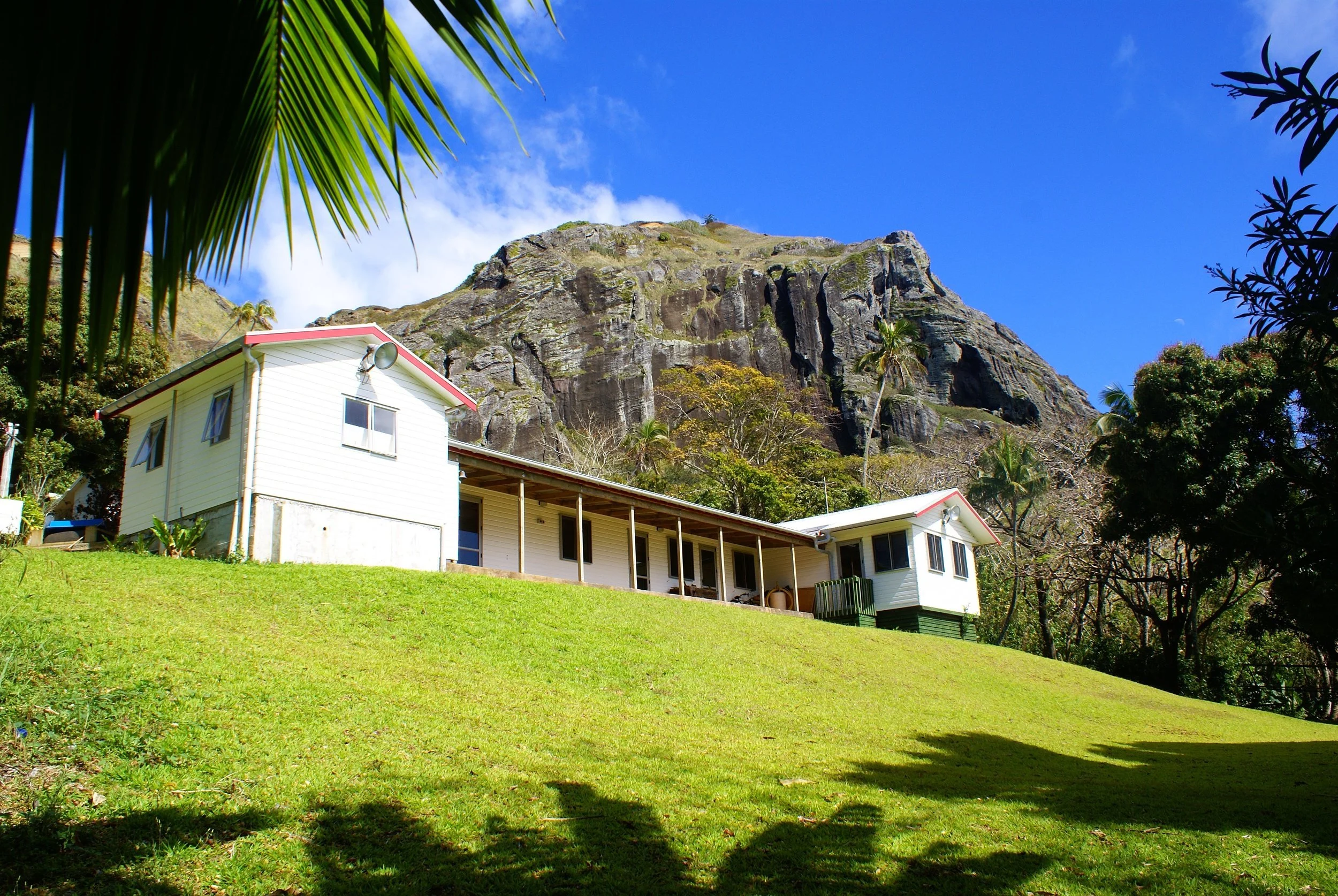
The houses are quite modern and practical, making them ideal for the climate and weather conditions that the island experiences. The sizes of the houses vary significantly depending on need. All roofs are of corrugated iron from which guttering and pipes lead rain water into private tanks or wells for a good supply of fresh water.
Although kitchens are now incorporated into the houses, several houses still have the traditional outside kitchen as well. Hot water is heated by LPG Gas or Solar. Most homes have installed inside flush toilets, however, some locals still favour the old ‘Duncan’ out-house.
Like elsewhere in the world, modern appliances are a part of everyday life on Pitcairn.
All houses have refrigerators, washing machines, deep freezers, electric and gas stoves, television sets, computers, microwaves and stereos. News and entertainment is generally accessed via the Internet.
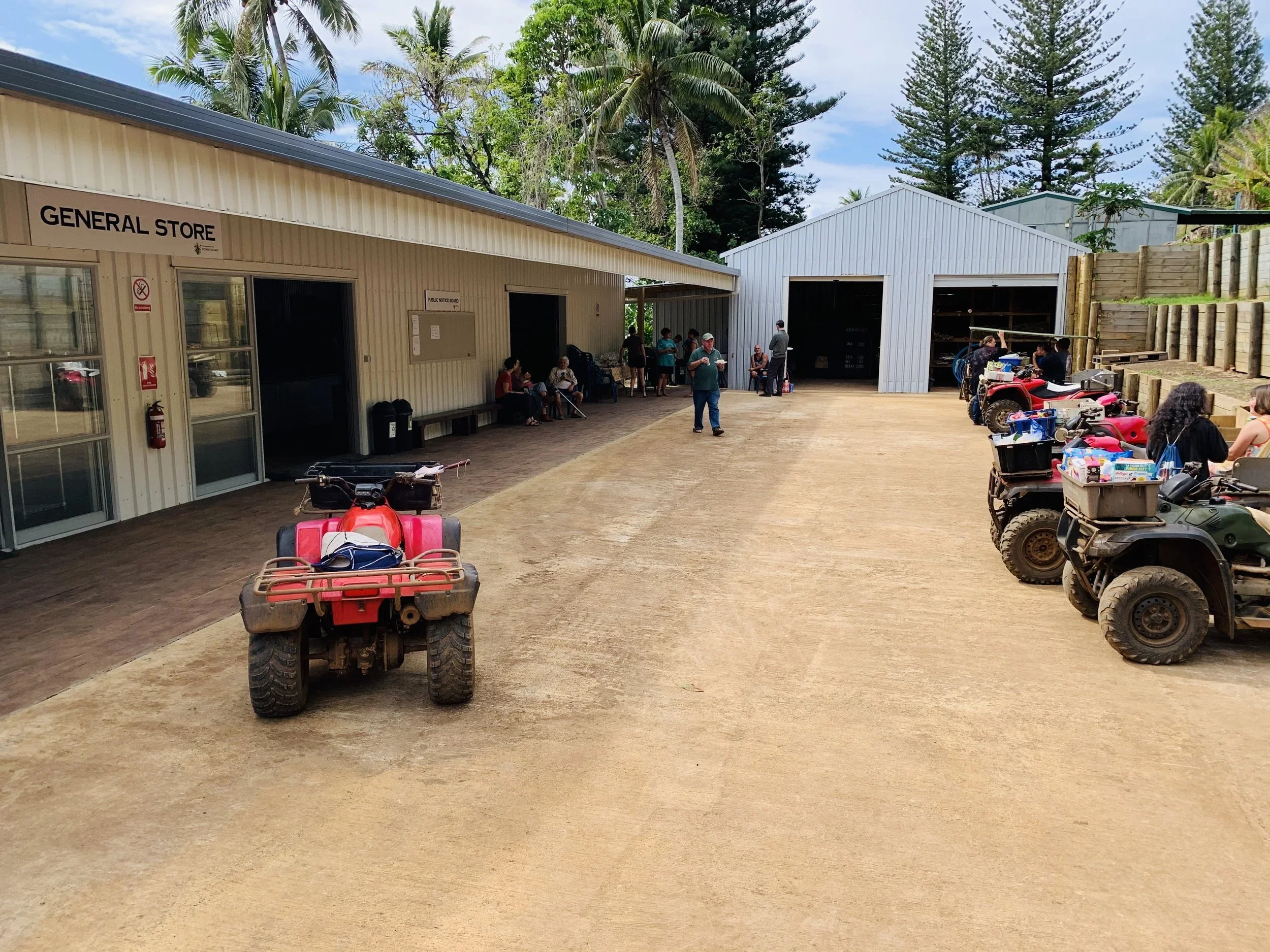
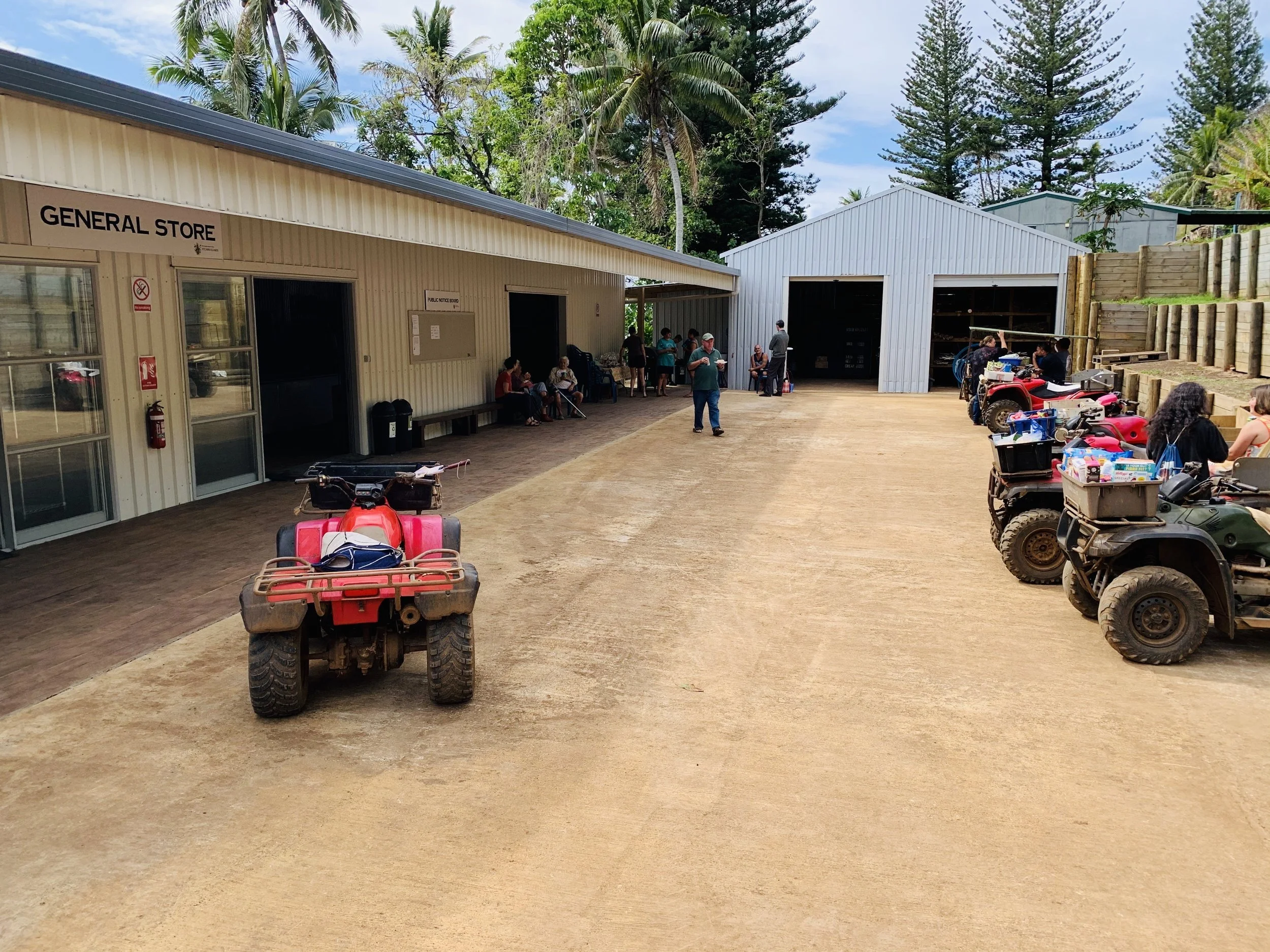
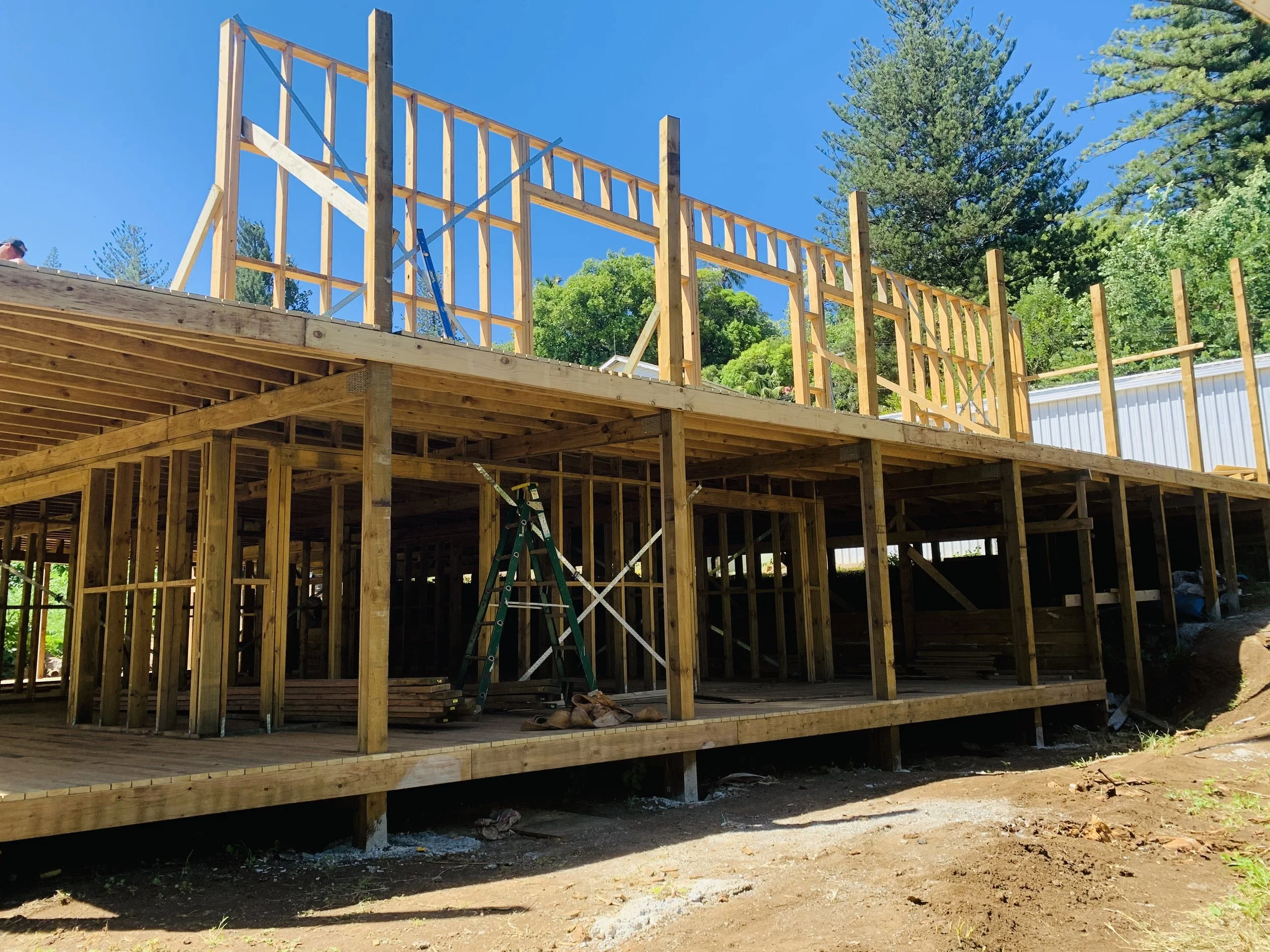
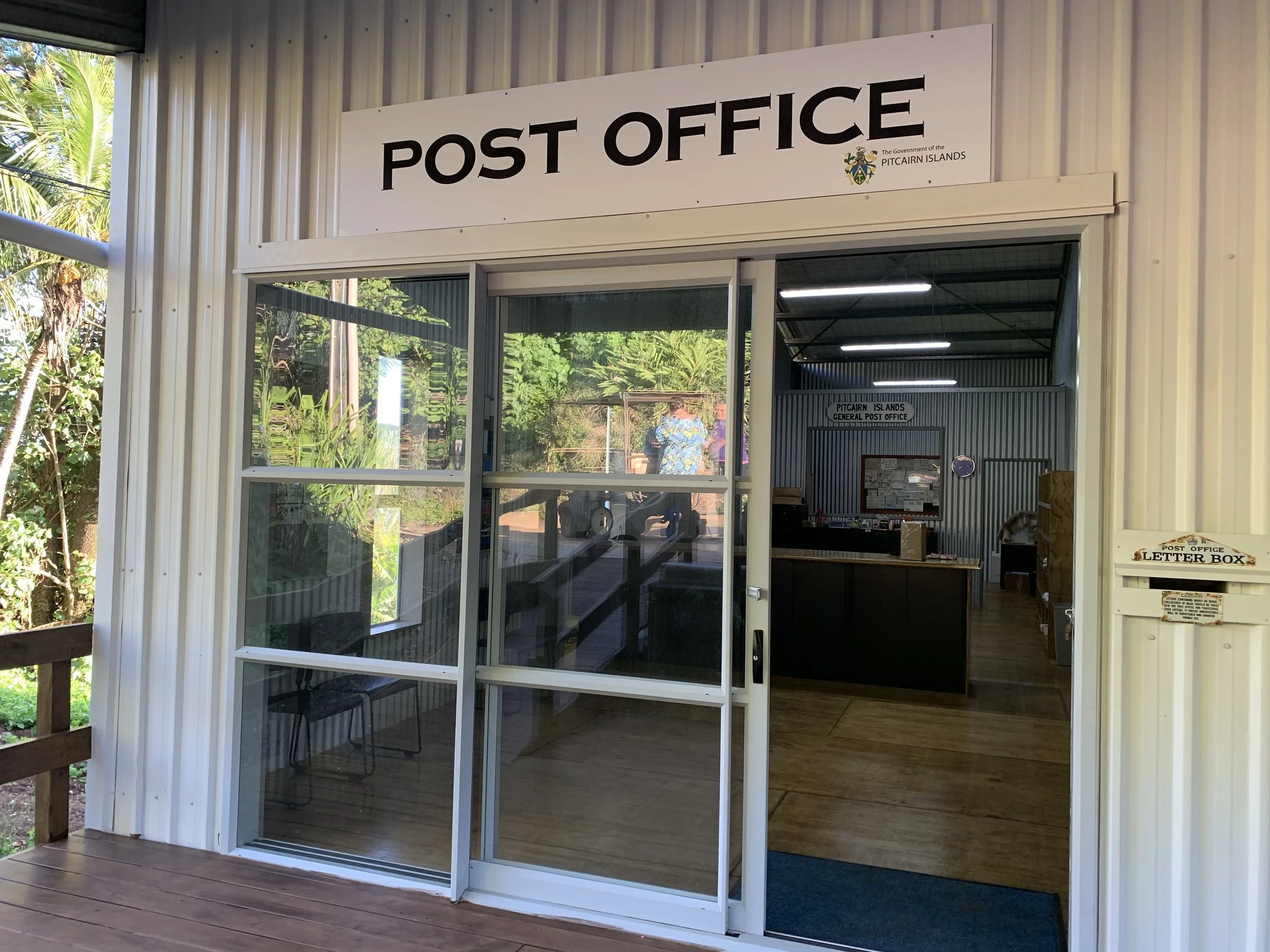
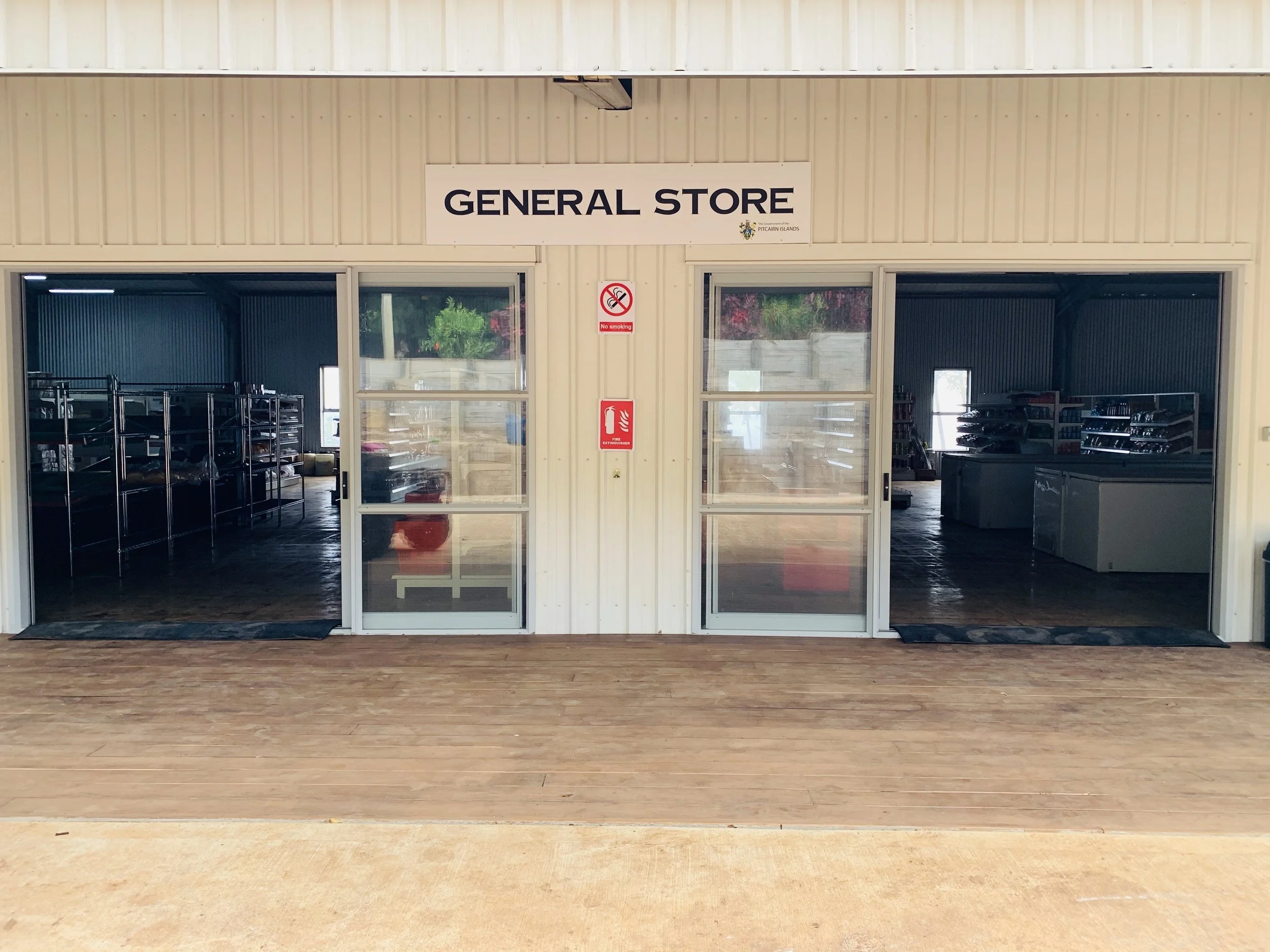
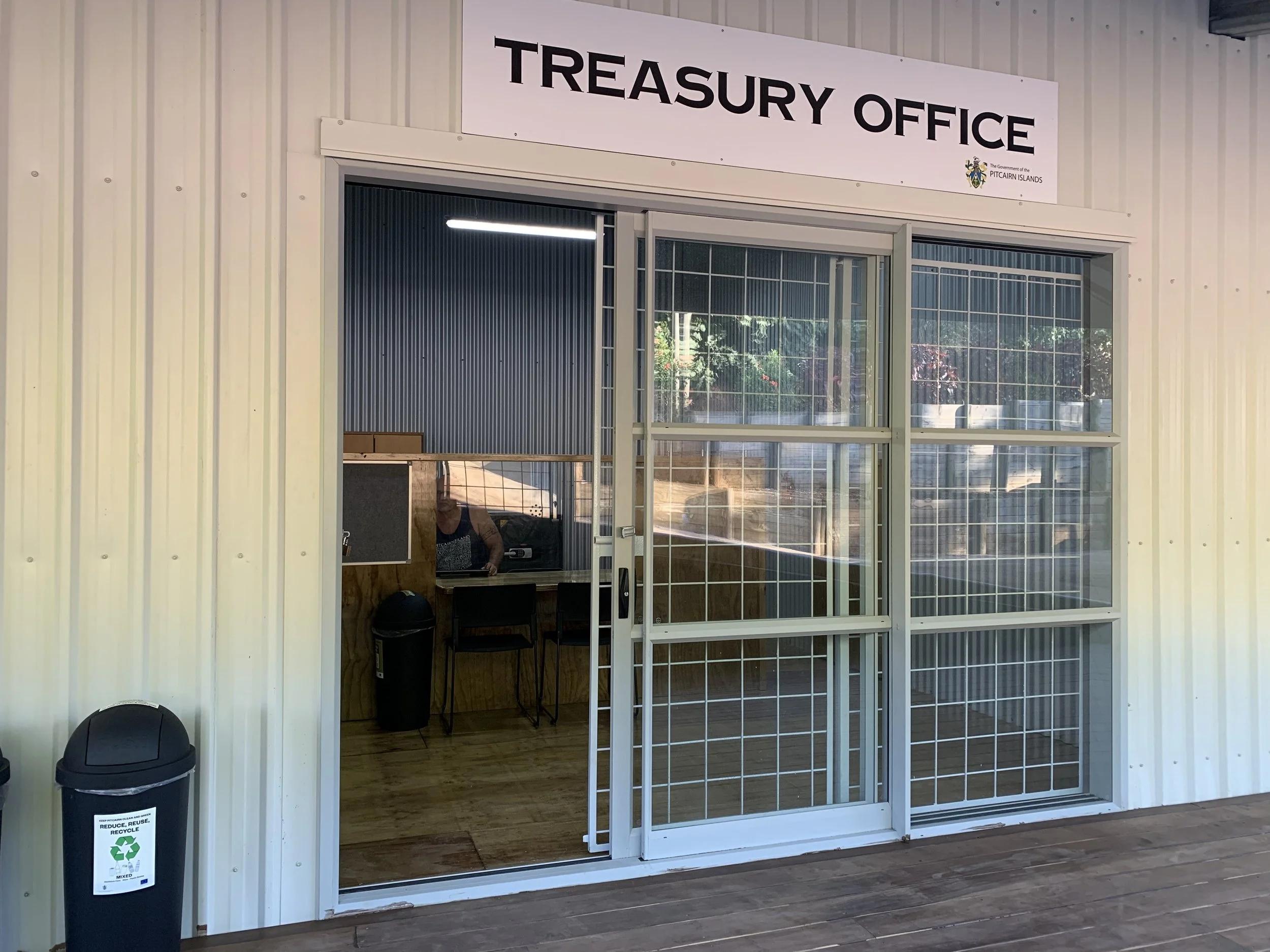
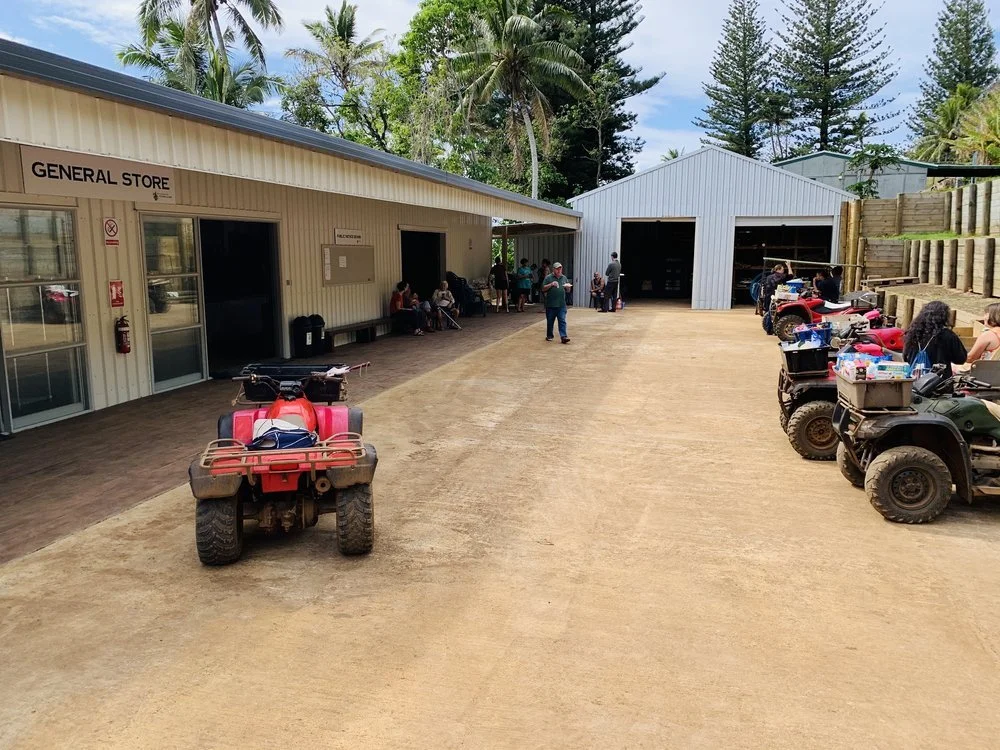
Built in 2020 with funds from the European Union, the Pamai Centre sits on the main road in Adamstown and serves as the island’s central hub of commerce. It houses the Pitcairn Island Post Office, the Government Treasury Office, and the Pitcairn Island General Store.
The side road along from the Pamai Centre leads down to the Public electricity generators but most private homes and many government buildings are now Solar Powered, thanks to a new solar farm completed in 2024.
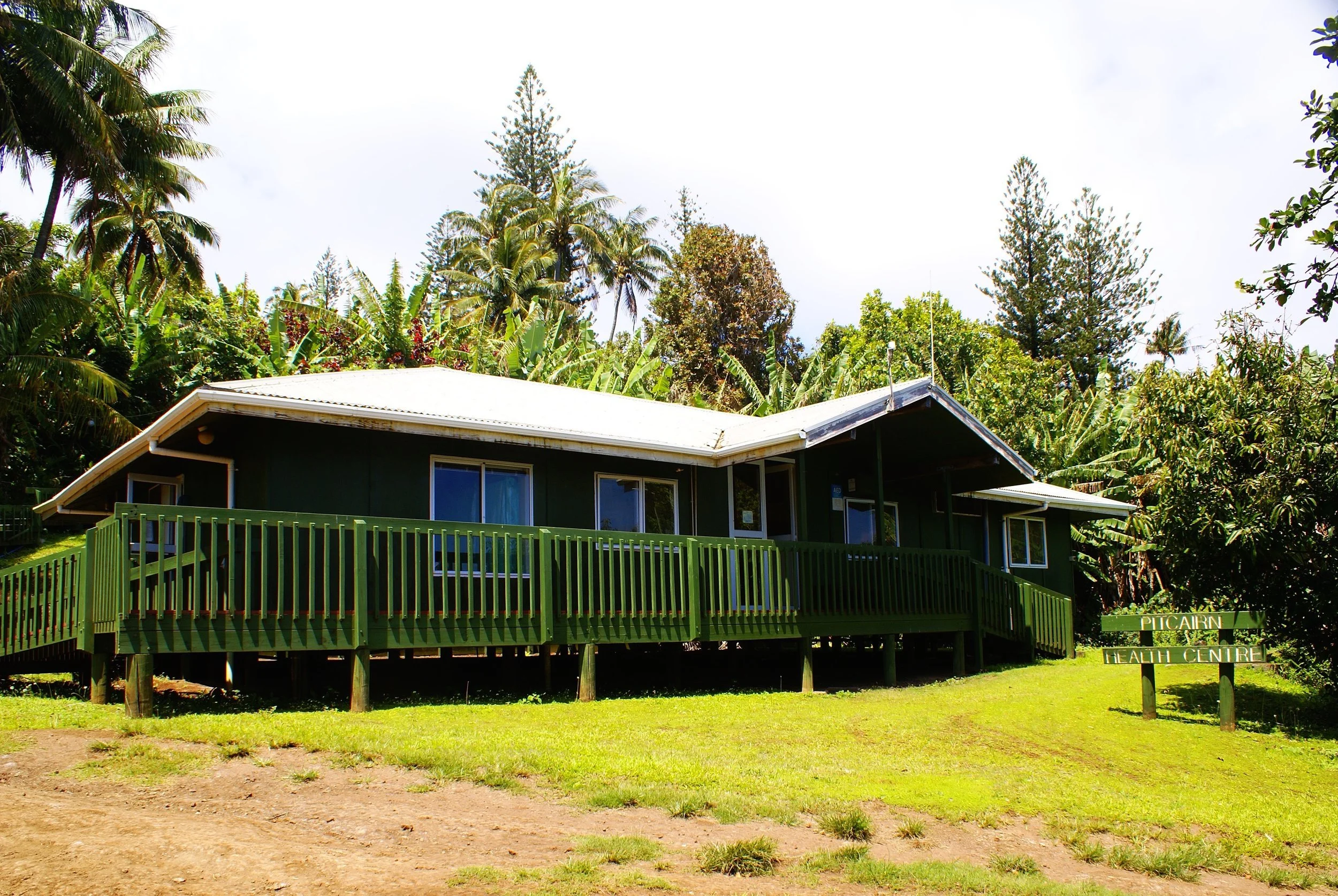
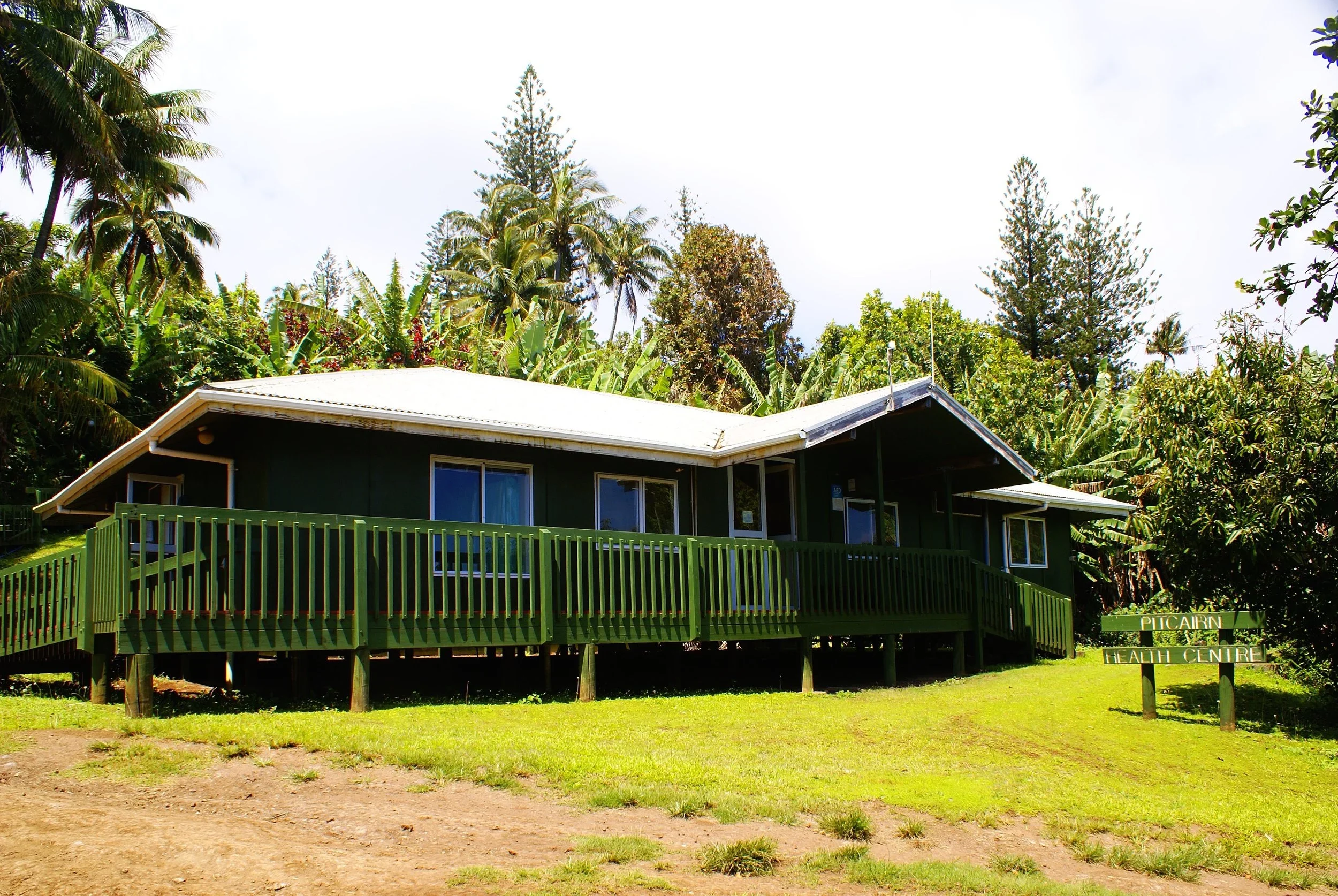
Before entering the Square, there is a short road that leads to the Island’s Medical Centre. Built in 1996, it replaced the old dispensary at the Square.
Continuing along the main road is the Public Square, ‘upside’ the road. There, on a plinth, stands Bounty’s anchor, which was recovered by Yankee in 1957.
The Square serves as a focal point for social gatherings and public functions. The internal walls are decorated with historical and official portraits and memorabilia.
On one side of the Square is the Seventh Day Adventist Church. On another is a building containing the Island Council Office.
Just past Bob’s Valley, is the road leading to, the island cemetery and the historic house site of Thursday October Christian.
Back on the main road, past the Banyan trees the road leads out to Pulau where the schoolhouse, which now serves as a Court House and Council Chambers, and the Administrator’s residence is located. Although, not strictly speaking, part of Adamstown, the school sits below Christian’s Cave and the eco trail which leads up to the cave can be found just below the school.

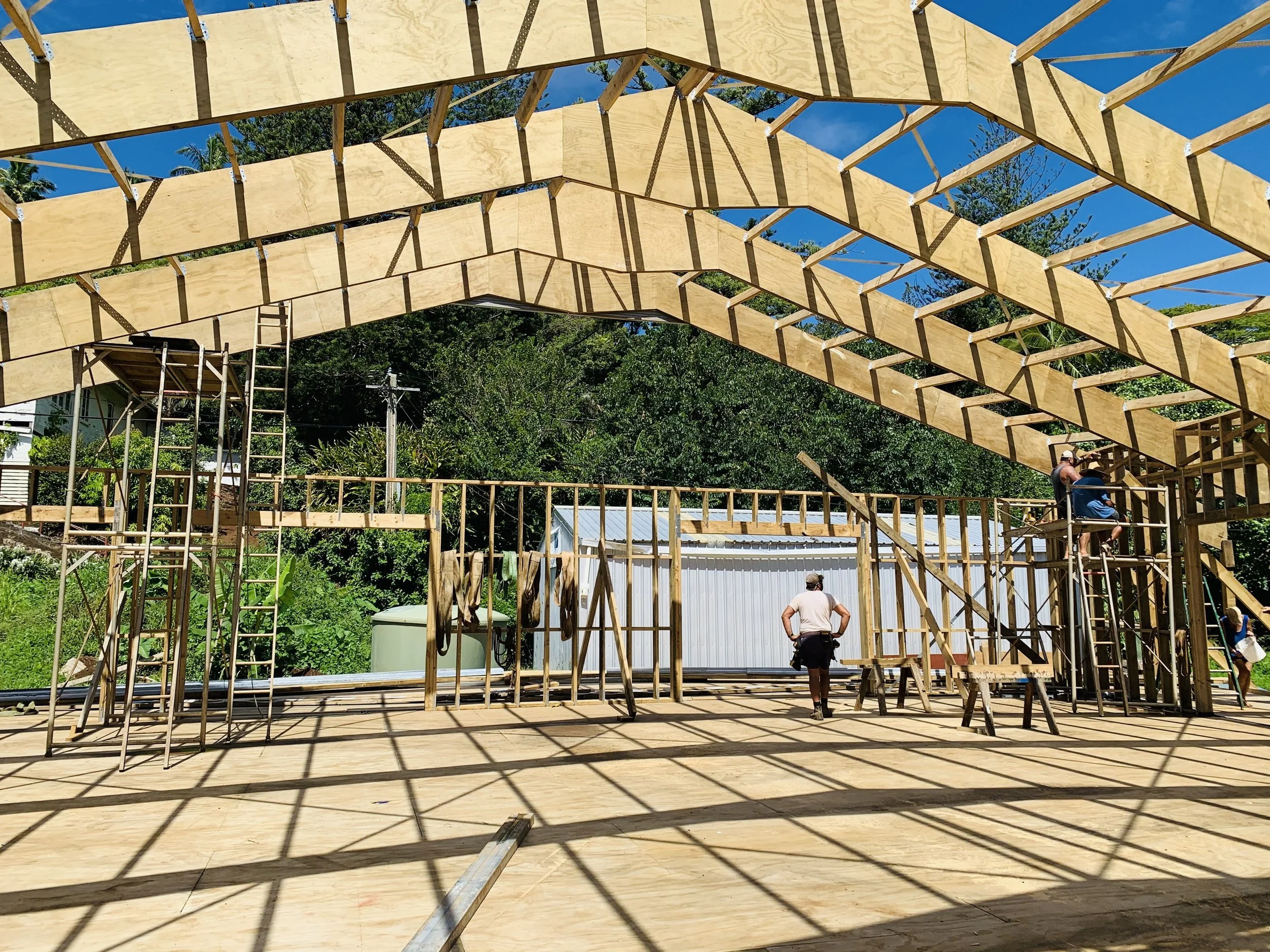
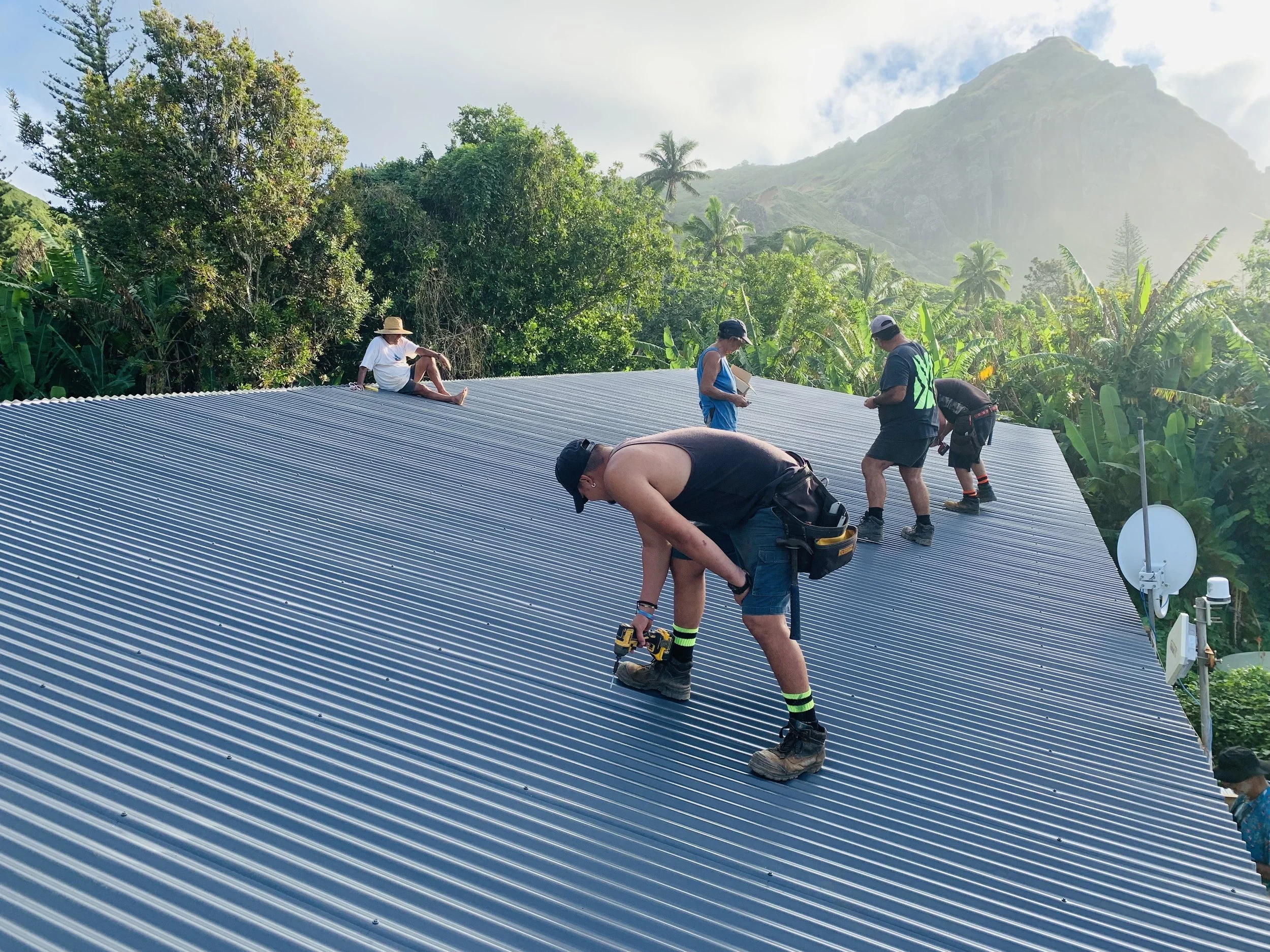


Shop Around The Pamai Centre
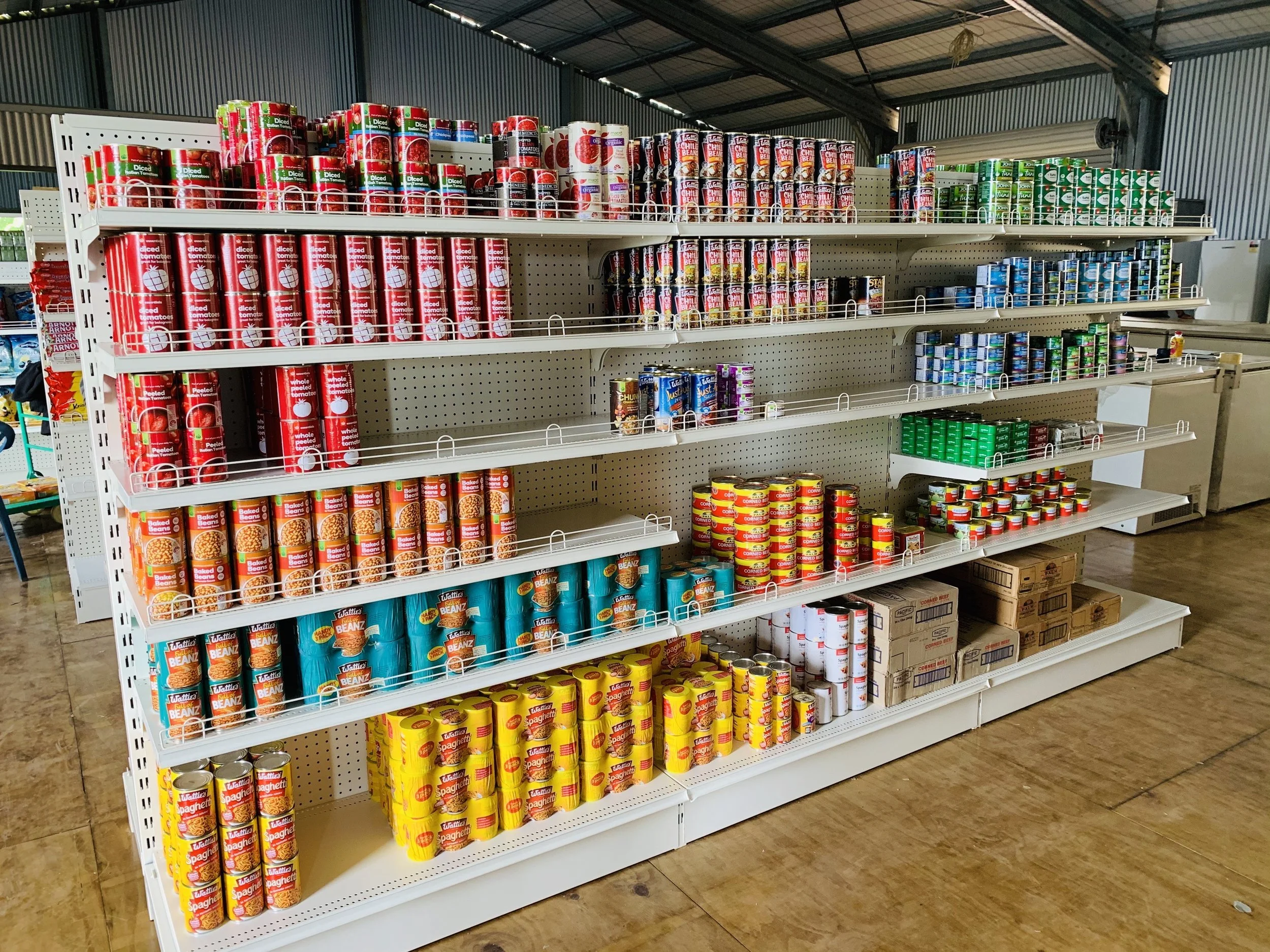
The General Store
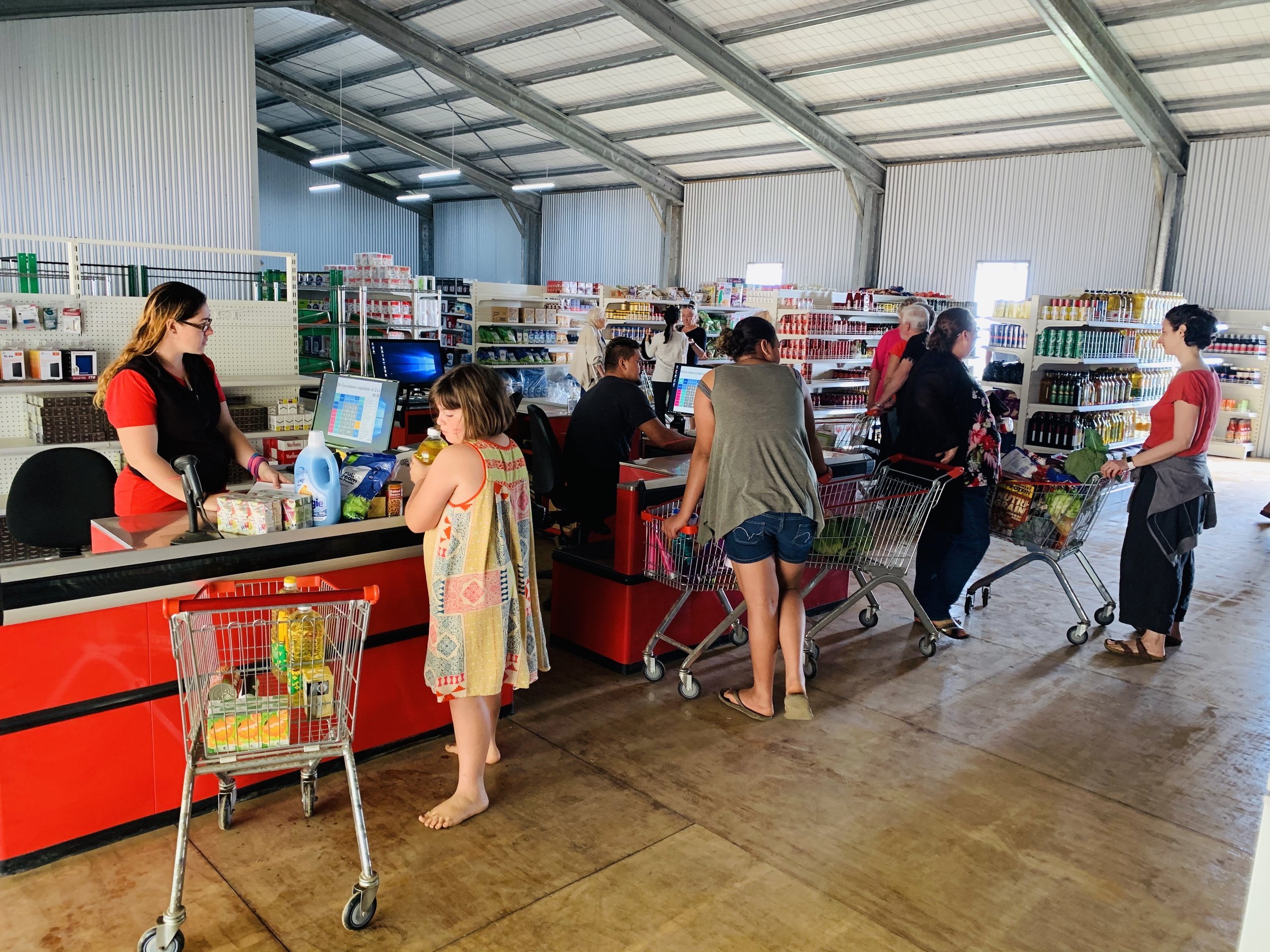
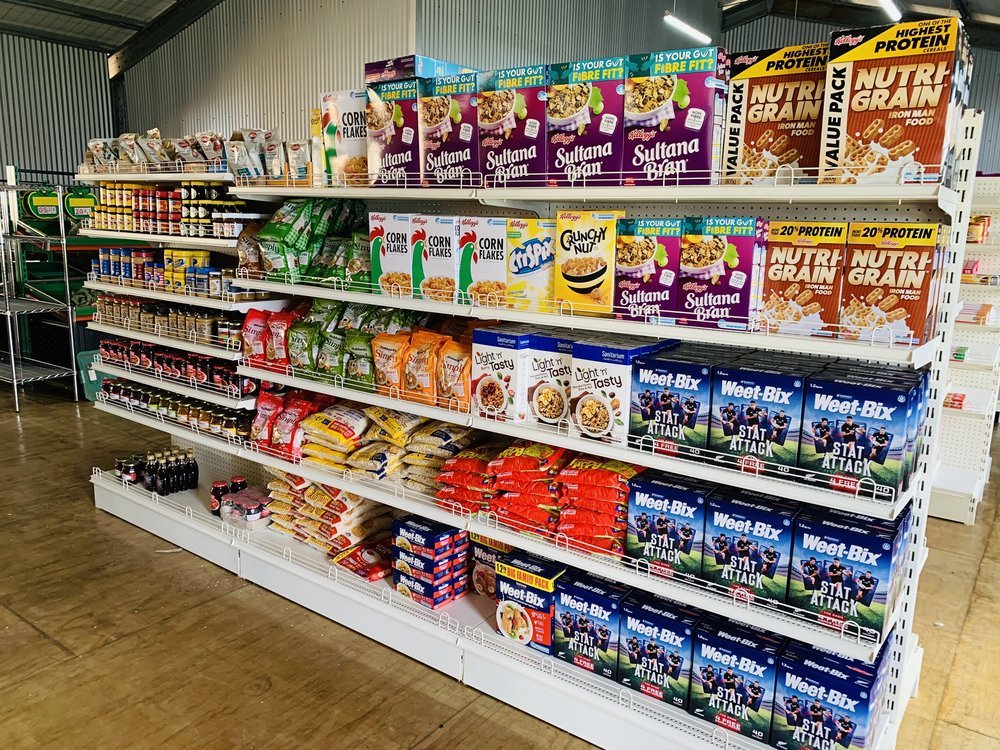
Established as a co-operative society in 1967, the General Store has provided for the household needs of the community ever since.
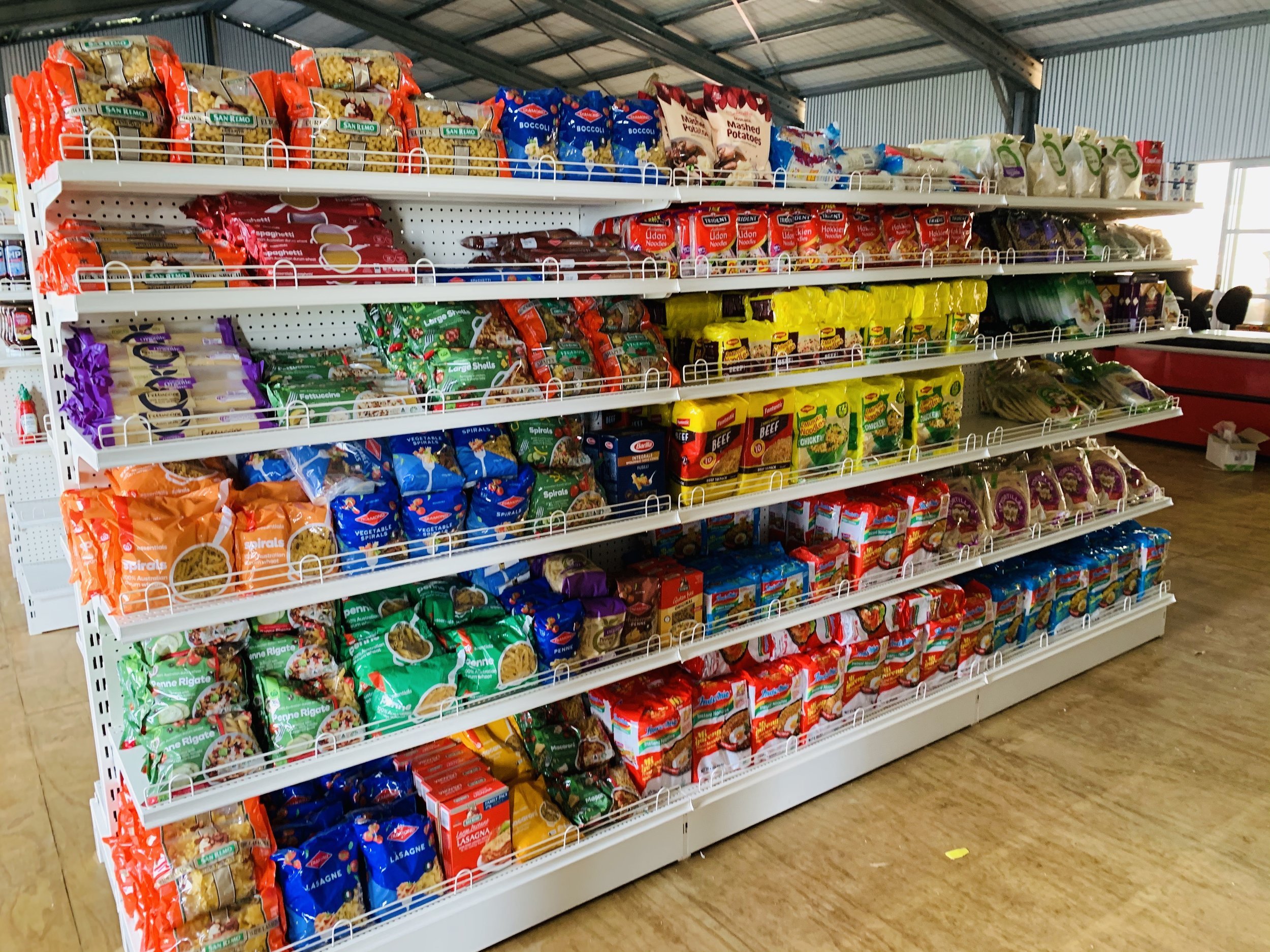
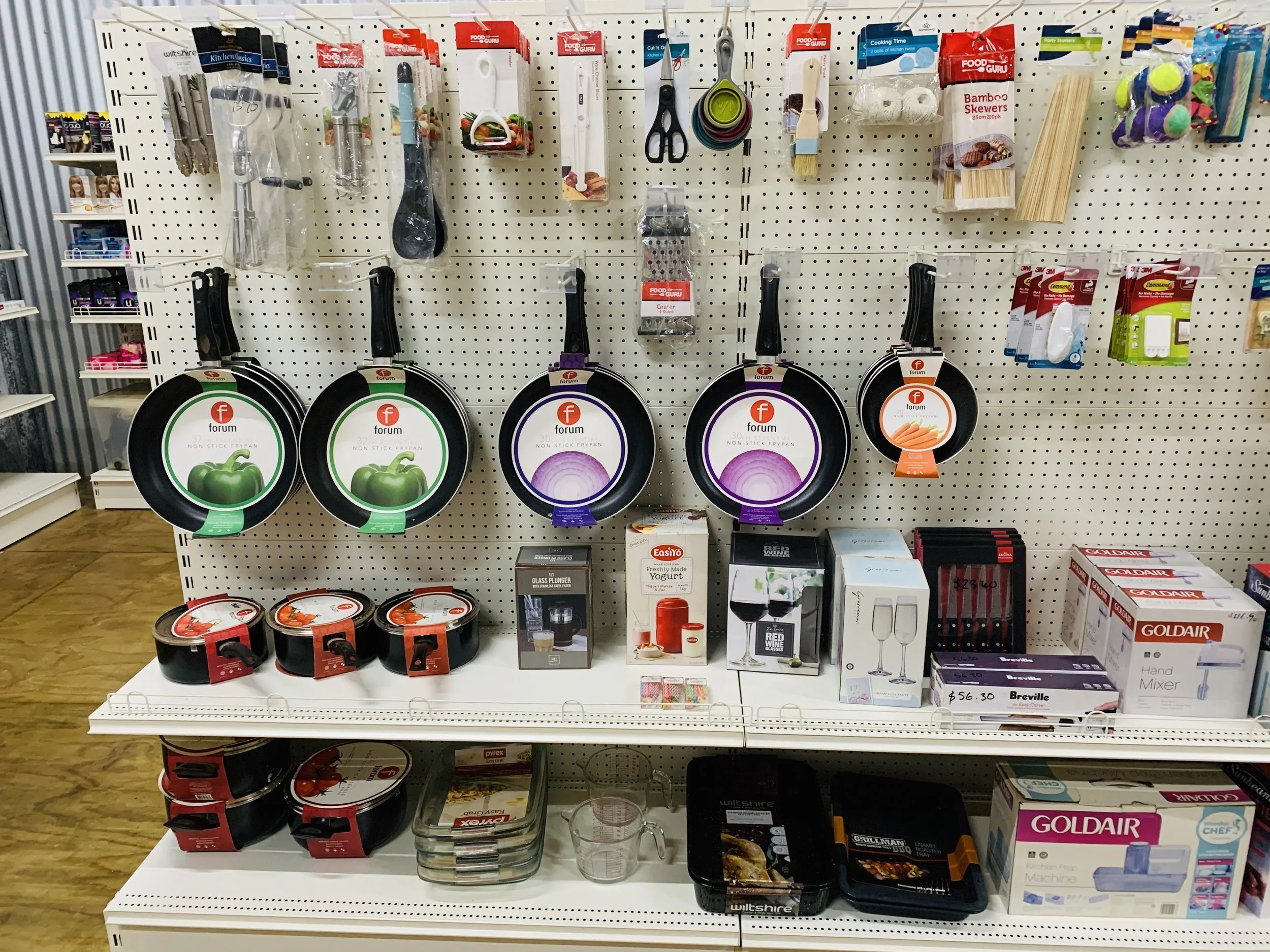
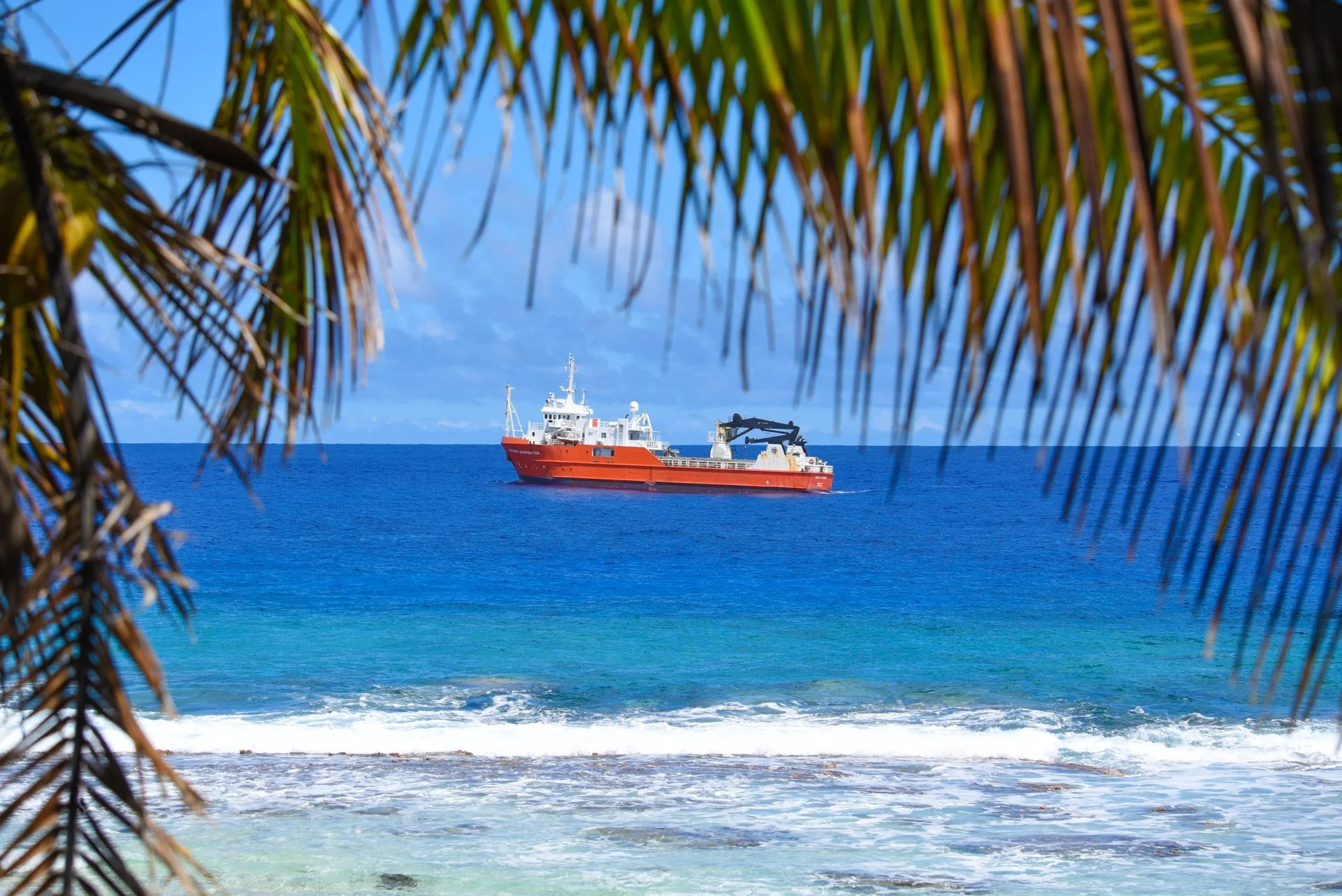
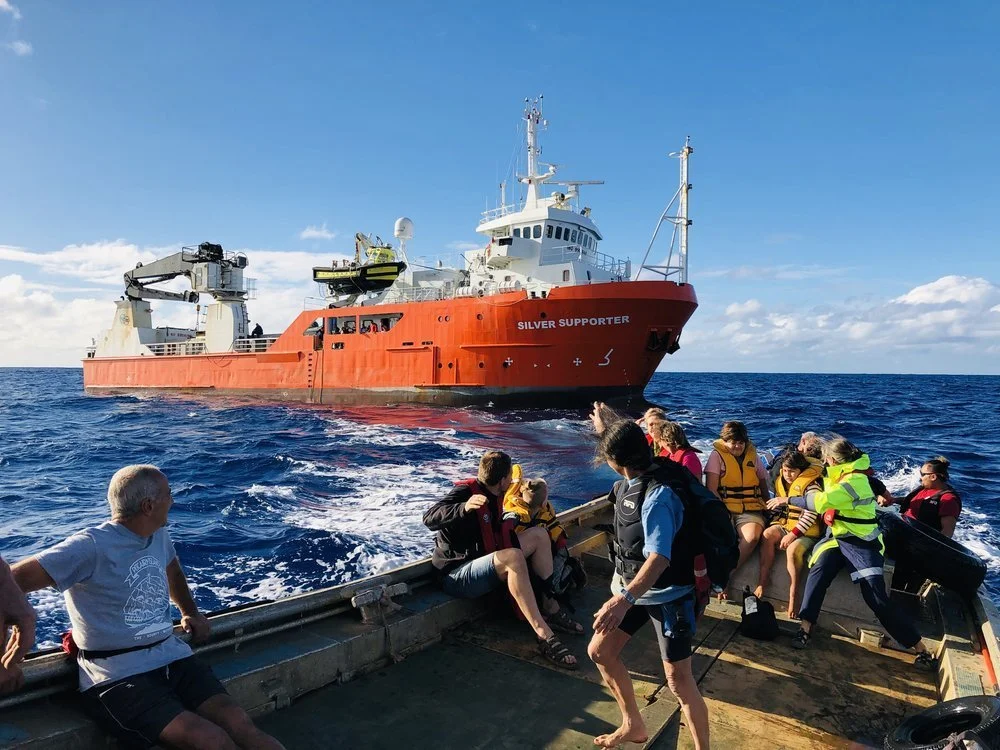
Today it is situated within the Pamai Centre, on the main road in Adamstown, the General Store stocks an excellent variety of frozen meat, vegetables, groceries, toiletries, clothing and footwear, kitchenware and stationery as well as timber, plumbing, electrical, white ware, gardening supplies, auto parts and general hardware. The items are purchased in New Zealand and sent to the island on the supply ship four times a year and locals also sell their own fresh produce and baked goods from the store too.
The Post Office
The Pitcairn Island Post Office generally opens on Sunday, Tuesday and Thursday mornings and before and after the arrival of the quarterly supply ship which freights the island’s international mail.
Until 1926, letters from Pitcairn franked ‘Posted on Pitcairn Island: no stamps available’ were delivered free of charge in New Zealand and elsewhere. For the next 14 years New Zealand stamps and rates were used, and on October 15, 1940, the first Pitcairn Island postage stamps, consisting of eight denominations, were issued. In 1941 a small post office was built in the Square of Adamstown and the amount of mail increased significantly. Today, mail to and from the island is still sent via New Zealand and can take many weeks before it reaches its international destinations.
The Government Treasury Office
Pitcairn’s official currency is the NZ dollar and all government related transactions and banking matters are processed via the Government Treasury office (GT Office). Locals and Visitors can access cash on credit cards and exchange foreign currencies here too. The GT Office opens 3 days a week on Sunday, Thursday and Tuesday.
The Museum
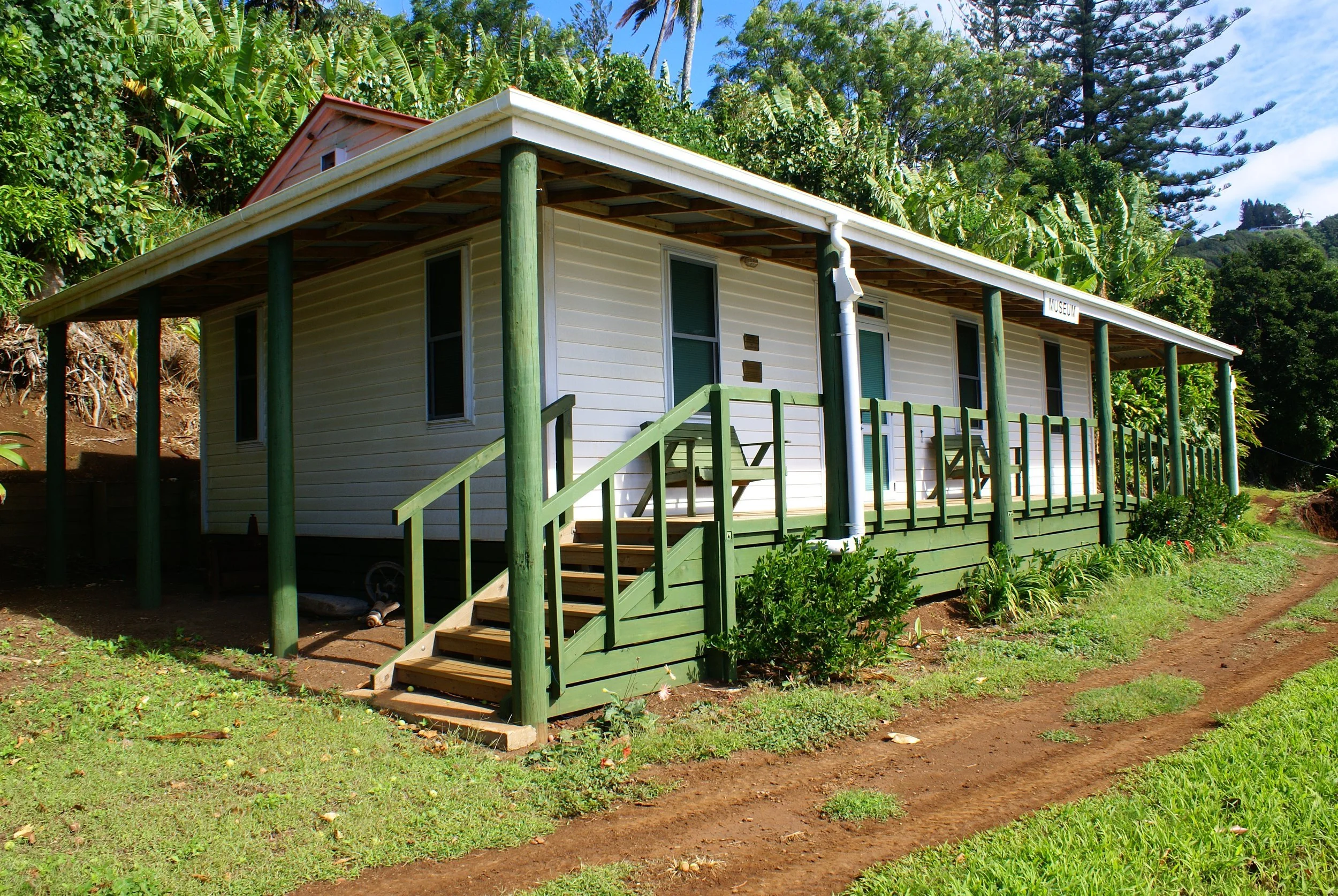
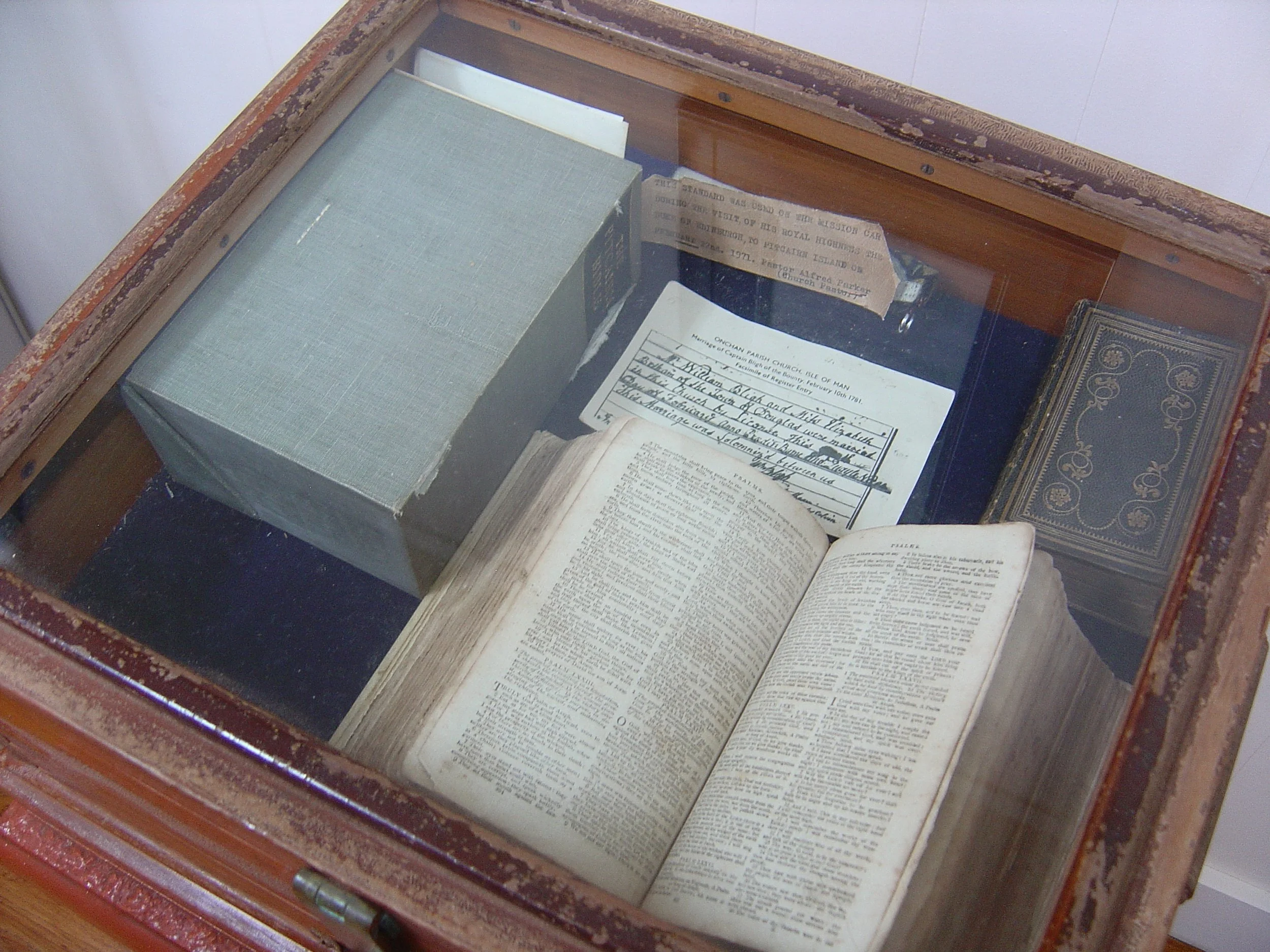
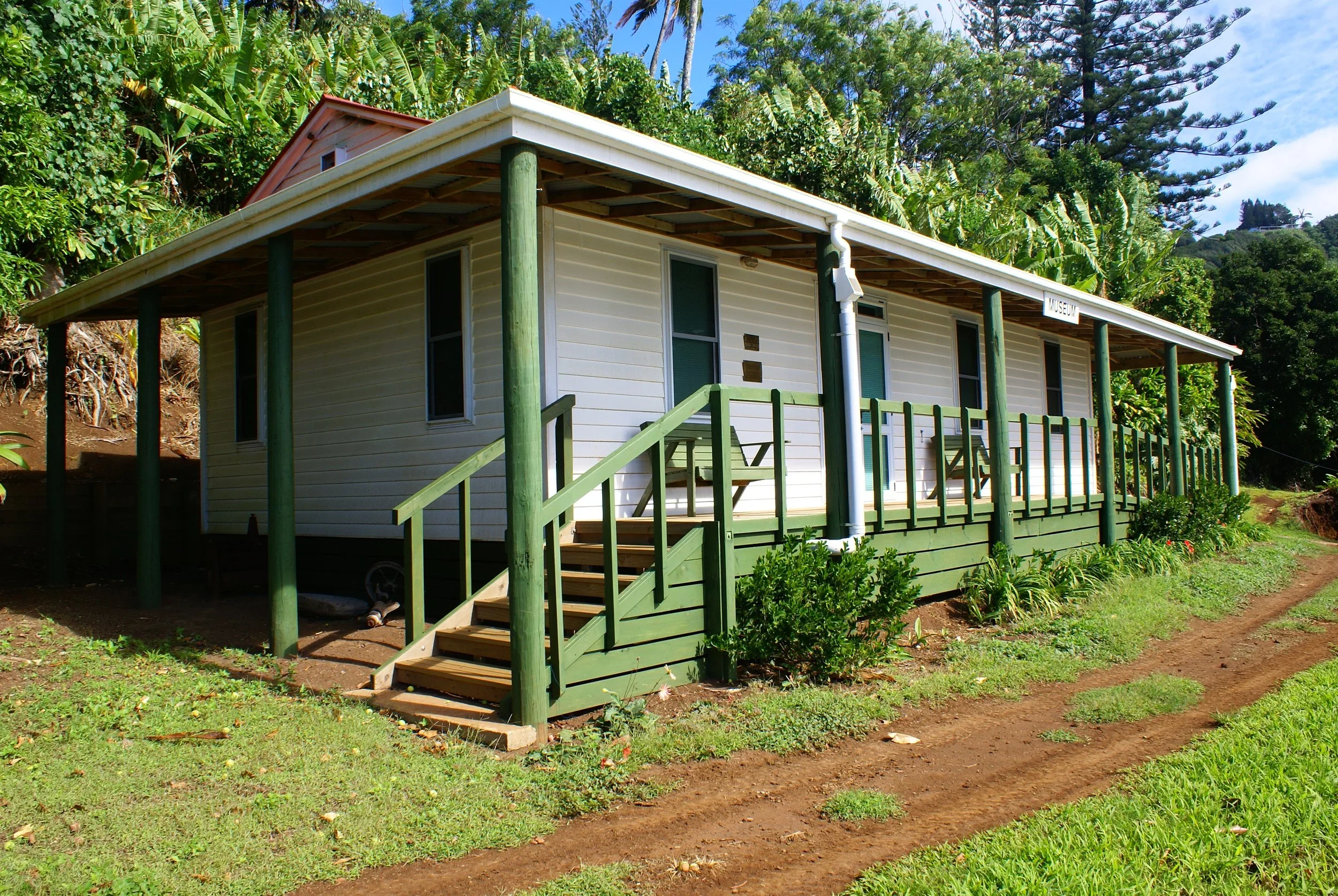
The Pitcairn Island Museum is currently situated above the Square, and displays a number of artifacts and items, some of which have been donated and loaned by islanders and people from all over the world. Artifacts, such as the stone tools, which were made by ancient Polynesians prior to the arrival of the mutineers, are on display. An anchor, from the Bounty and restored in Australia, has a place of pride. Other artifacts include Bounty relics (salvaged from the wreck), a well-used traditional wheelbarrow plus kitchen equipment and tools from the early days. Pictures of bygone generations are lined up in glass cases. There is also a display of numerous books and articles written about the mutiny and Pitcairn Island, which have inspired even more books, movie and articles as well as visitors to the island.
Health On Pitcairn
The general standard of health on Pitcairn has been as high as anywhere in the Pacific. In the earlier days, the island’s isolation protected the islanders from some of the diseases that played havoc elsewhere in the Pacific. However, even casual contact was sufficient to introduce the Pitcairn Islanders to common infectious ailments such as colds and influenza. Today, due to the island’s isolation, the Pitcairn Islanders are still very susceptible to colds and flu carried by visiting ships or visitors to the island.
Any visitor to Pitcairn must provide evidence of private medical/travel insurance, including medical evacuation coverage of at least US$500,000, before travelling to Pitcairn. See associated immigration policies for further details.
The Pitcairn Health Centre
Until 1944 there were no medical personnel on the island, and islanders relied on their own remedies and the occasional doctor coming ashore from ships. But in 1944 the Australasian Union Conference of the Seventh-day Adventist Church appointed the first resident nurse on Pitcairn. For many years it was the practice for the wife of the resident Pastor to be a trained nurse, residing on the island for a 2-year term.
Since 2004 there has been a resident doctor, contracted for a 6 to 12 month term, always available on island. He or she is supported by a local, qualified nursing assistant and firm relations with French Polynesia have enabled Pitcairn Islanders to seek more specialist medical treatment in Tahiti as well as in New Zealand when necessary. Resident Pensioners get free medical care and when overseas medical treatment is necessary Pitcairn’s own Medicare system, which covers up to 2/3 of all costs, comes in to play.
The Library
The public library is now located at the temporary Cultural Centre site. A good selection of books and DVDs for both children and adults can be found on the shelves, including books on Pitcairn’s history and heritage. “Mutiny of the Bounty – Story of Pitcairn Island”, a book written in 1894 by a native daughter, Rosalind Young, is proudly displayed.
The Pulau School
Pulau School was built to provide pre-school and primary education for resident children, and the New Zealand curriculum was taught. There are no school age children currently on Pitcairn.
Higher Education from 13 years is usually completed at boarding school in New Zealand.
Our Community
The People Of Pitcairn
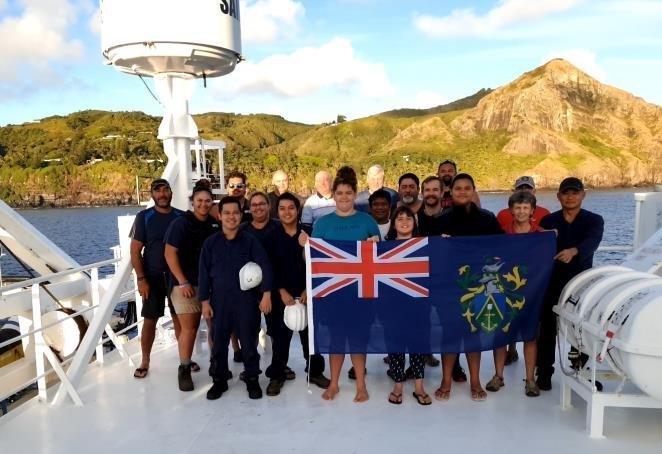
The majority of Pitcairn Islanders are descended from the nine mutineers of His Majesty’s Armed Vessel Bounty who, led by Fletcher Christian, landed on uninhabited Pitcairn Island in 1790 with six Polynesian men, twelve Polynesian women, and an infant girl. These European and Polynesian roots can be clearly seen in the faces and customs of the people of Pitcairn today. Into this mix have come other settlers, whether from other Pacific islands, Australasia, America or Europe, continuing a tradition dating from the island’s earliest history of attracting migrants from other nations and creating a community rich and diverse in its cultural heritage.
Following the landing of the Bounty, the next reliable population estimate was provided by Captain Folger of the ship Topaz in 1808 when he stated it to be 35. From that point it grew to a peak of 233 in 1937, and more recently decreased slowly to hover for the past several decades around the 50 figure. There are now around 35 permanent residents. The decline of Pitcairn’s population following the Second World War is largely due to migration, principally to New Zealand, where the younger generation have the opportunity to improve their economic status. In recent times, TV, film and the internet have also brought awareness of opportunities elsewhere. Today the majority of Pitcairn’s children leave the island at the age of 13 to attend secondary school in New Zealand, returning when they have completed their studies. Although many young people do not return to Pitcairn, a number have chosen to do so, bringing new vitality to the population.
Pitcairn undoubtedly needs more people, especially (but not only) fit and able younger people and couples with children who are keen to rise to the challenges Pitcairn offers, and who are resourceful, adaptable and culturally sensitive. Life on Pitcairn will not be for everyone. The island’s isolation and small size at times make life on Pitcairn physically demanding and challenging. Residents need to be able to turn their hand to a wide range of tasks, and handle difficulties with pragmatism and creativity. They need to be comfortable living among a tiny community, many of whom have lived on Pitcairn for their whole lives, and respect the quiet way of life on Pitcairn. There’s no access to shopping malls, coffee shops, fancy restaurants, or super-fast internet, and few opportunities to leave the island outside the regular shipping schedule.
But the community is - perhaps surprisingly - vibrant and diverse, and there is plenty to occupy your time on Pitcairn. For those who choose to make Pitcairn their new home, life is never dull. Pitcairn offers huge rewards and a lifestyle which is difficult to find elsewhere.
Safeguarding Children
The Government of Pitcairn Island believes that all children on Pitcairn Island are entitled to live in a safe and nurturing environment. All residents of and visitors to Pitcairn must respect the rights of children. Anyone not doing so should expect to be challenged.
The Government and people of Pitcairn Island and HMG have worked together to establish and maintain robust child safeguarding policies, procedures and standards on Pitcairn Island. These remain constantly under review.
Our standards:
Children’s safety is paramount.
We will not tolerate any form of physical, mental or sexual abuse or neglect of children.
We will work together to create and support a safe and healthy environment for children living on and visiting Pitcairn.
We will encourage and enable children to fulfil their potential.
We will do this by:
Establishing and applying appropriate legislation and policies.
Upholding the rights of children through policy and the law if needed.
Providing information to residents and visitors about expected behaviours.
Reporting and challenging any inappropriate behaviour.
Educating our children about keeping themselves safe.
Listening to and respecting what children tell us.
Measures to safeguard children are underpinned by law in the form of Pitcairn’s Children Ordinance Revised Edition 2014, and supported by island policy and practice, including the Child Wellbeing Charter, the Policy for Safeguarding Children and biennial Child Safety Reviews, the latest of which was carried out in November 2017 by Child Matters. A reconciliation workshop took place in August 2017, in which a large majority of the community came together to acknowledge and learn from the past and agreed to continue to work for a positive future for Pitcairn’s children.
The economy of the Pitcairn Island is best described as a nano-economy.
This is not difficult to understand, given the tiny size of the population and the even smaller working population, the limited areas for economic exploitation, and the difficulties presented by infrequent access to this tiny island in the middle of the South Pacific.
Over the years, Pitcairn accumulated substantial reserves from philatelic and coin sales, and later the sale of .pn domain names. However, faced with declining revenue from these activities, the Government of Pitcairn Island responded by seeking alternative sources of income through private enterprise as well as securing support from the UK government. Since 2004, Pitcairn has relied substantially on budgetary aid from the UK, and in parallel seeking to develop alternative sources of private sector revenue.
Pitcairn’s unique economy
Most people of working age are employed by the Government of the Pitcairn Islands, via the Pitcairn Public Service. The current hourly rate of payment for government jobs and project work is NZ $11.00 per hour. Most employees hold two or more positions to cover basic living costs.
The major private revenue generator for Pitcairn is undoubtedly tourism, followed by the sale of Pitcairn’s unique, prize-winning and disease-free honey. Other income streams come from the sale of home-made artisan products and Pitcairn merchandise to the tourist industry, food and beverage services and the sale of fish, fruit and other fresh produce to visiting vessels.
Travel & Tourism
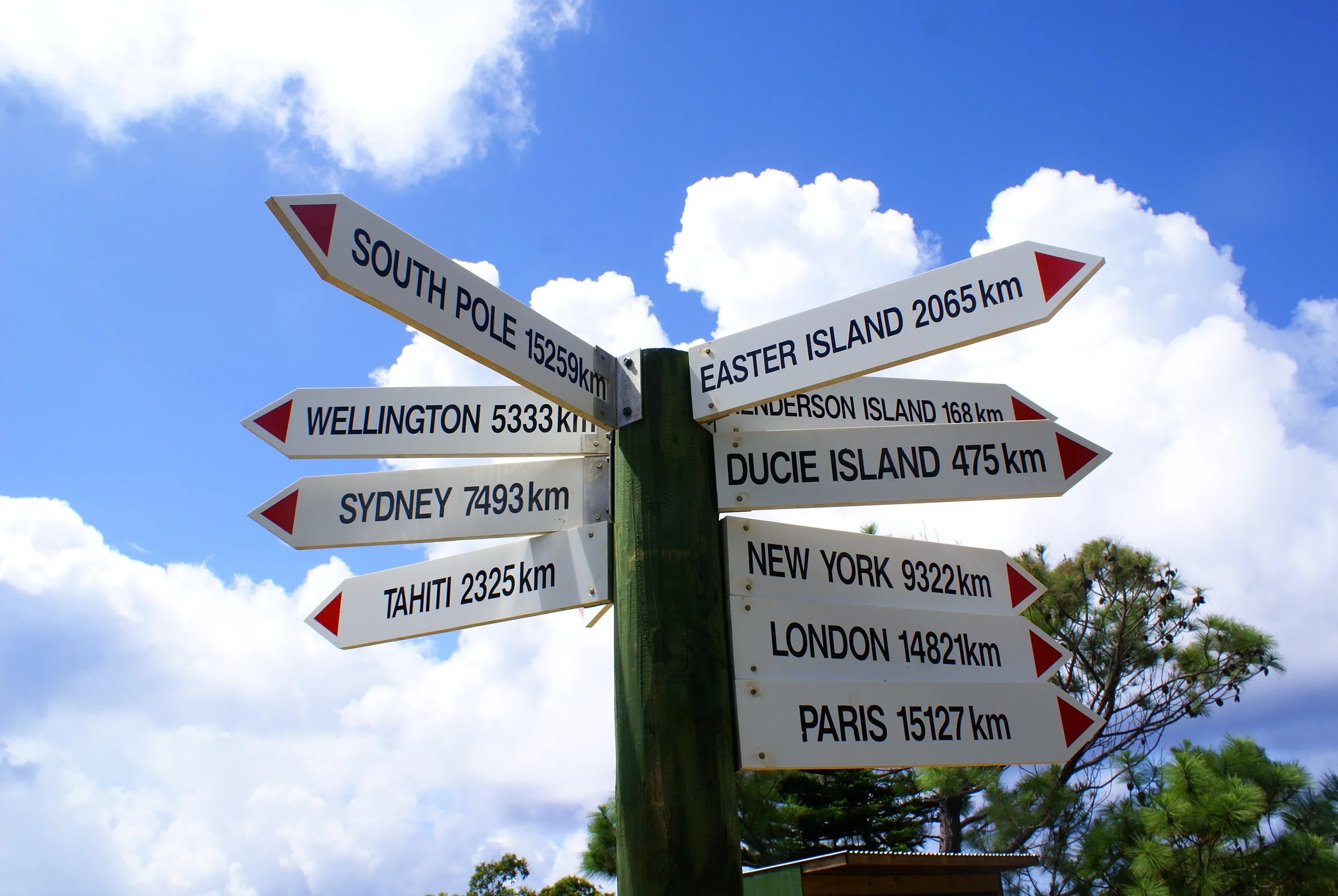
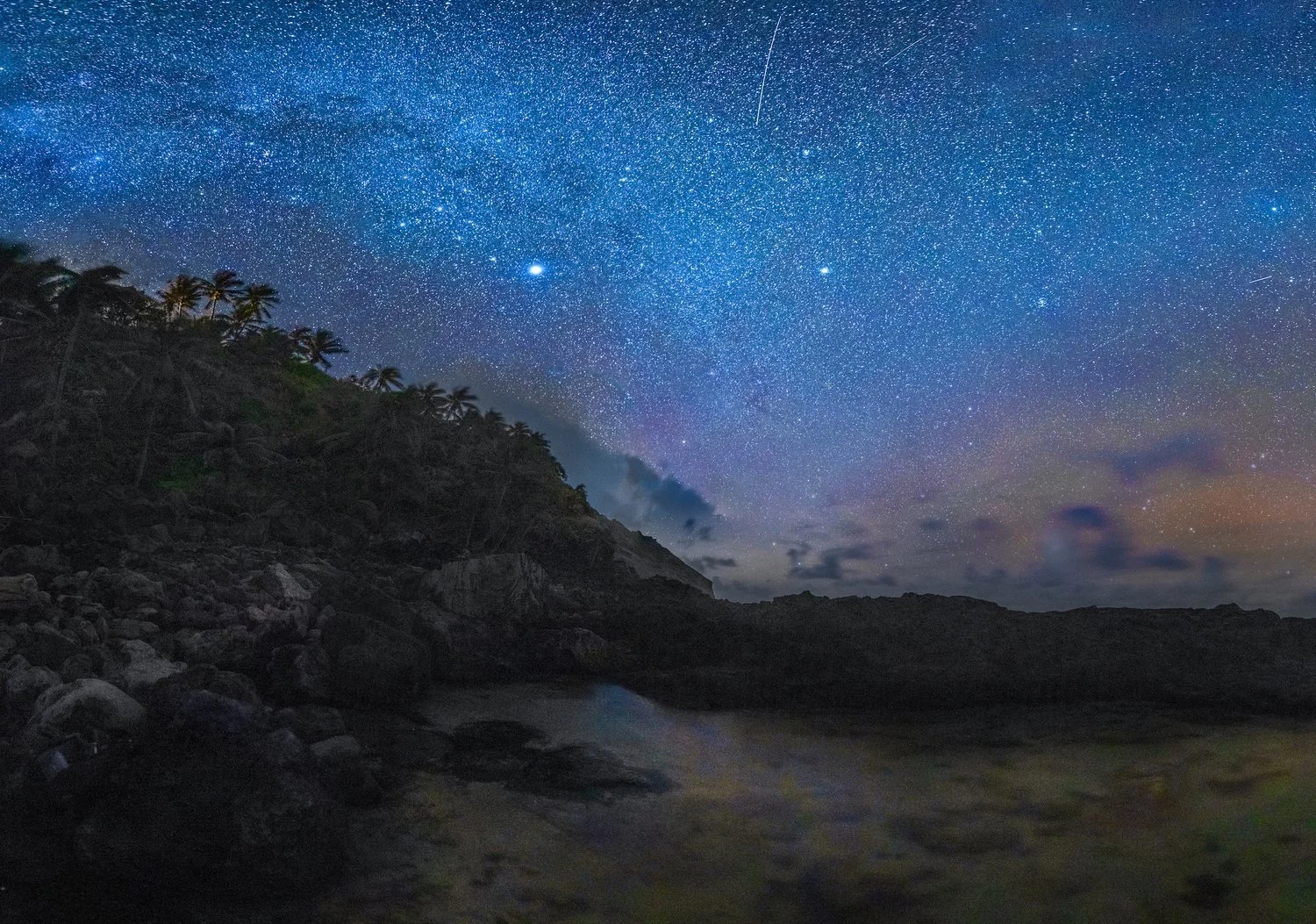
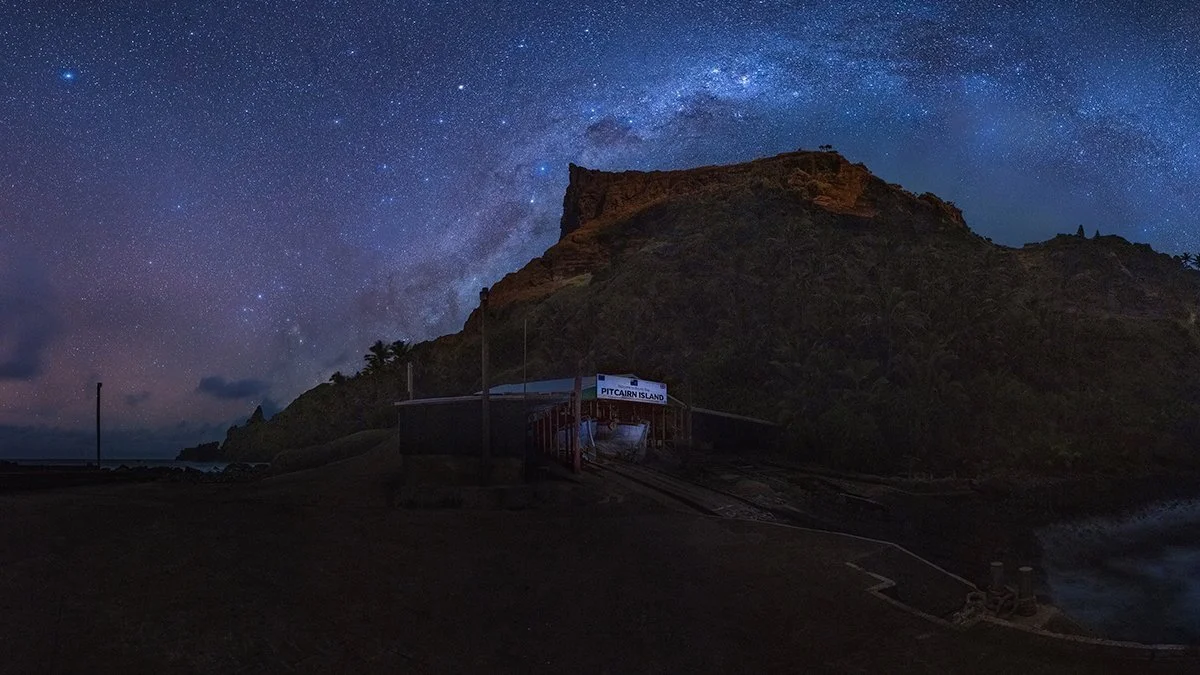
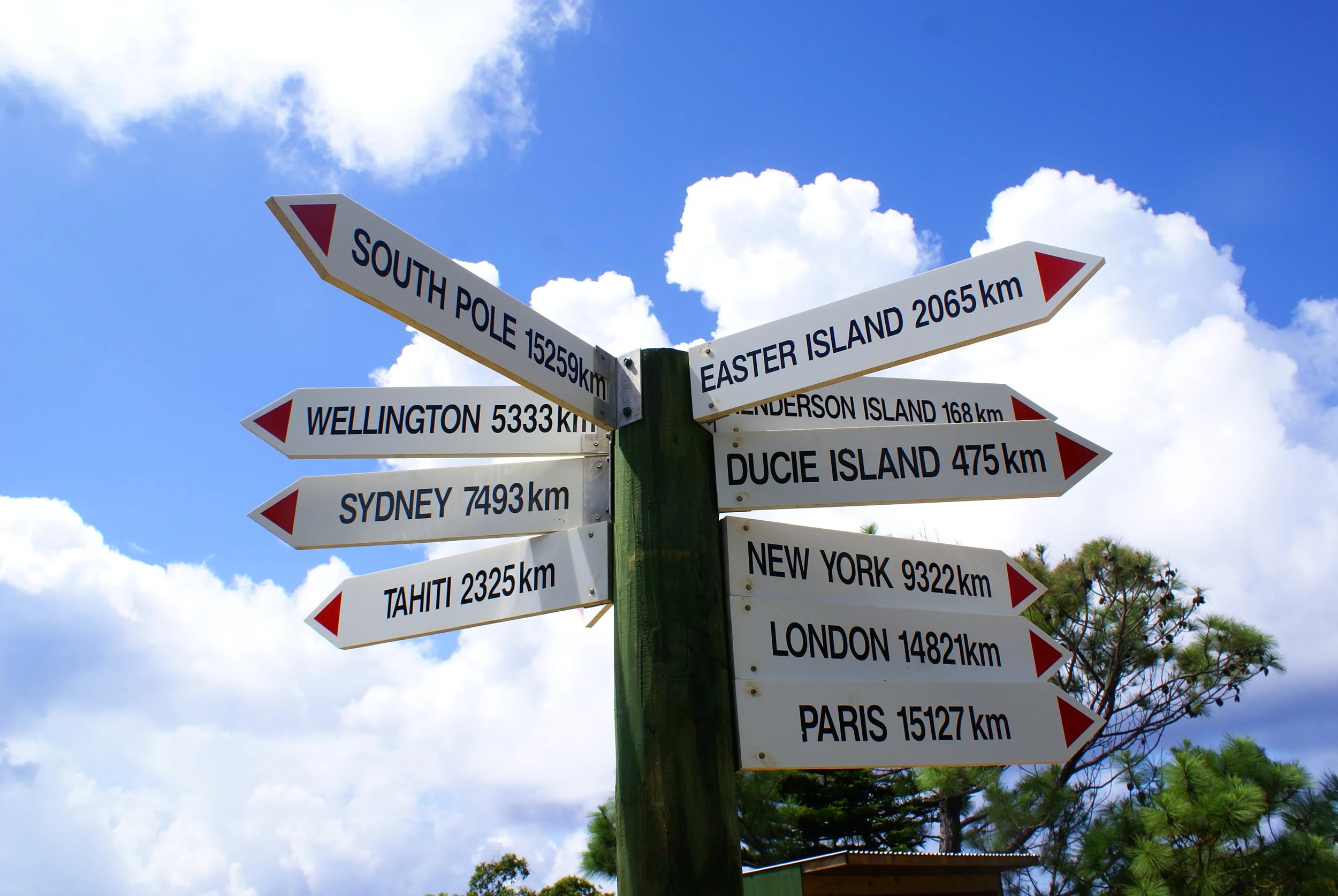
Pitcairn Island features on the “bucket list” of many people – whether attracted by history, culture or environment, or simply the wish to go somewhere completely off the beaten track. Pitcairn will never disappoint. Its rugged beauty, unique Bounty and Polynesian heritage, outstanding fauna, flora and sea-life, welcoming people, and fascinating history all make a visit to Pitcairn an unforgettable experience. Pitcairn’s seldom visited and uninhabited outer islands – Henderson, Ducie and Oeno – offer sailors and charter passengers the chance to view nature unspoilt. The four islands offer some of the best dark skies in the world.
Tourism provides Pitcairn with real opportunities for greater economic sustainability, for both the government and private sectors. Pitcairn’s local population is increasingly avails itself to the opportunities provided by tourism, whether through provision of “homestay” accommodation or the sale of beautiful locally-made carvings, jewellery and souvenirs, Pitcairn merchandise such as t shirts and caps, stamps, coins and postcards, and honey products. Gross sales to tourists are worth an estimated US$6,000 to US$10,000 per family, per annum. Home stay services also bring in regular income to the many households.
Pitcairn was officially designated an International Dark Sky Sanctuary on March 18th 2019. Pitcairn was the first British Overseas Territory to have been granted IDSS status and is also currently one of only 2 entire territories in the world to be listed as an IDSS.
The Pitcairn Islands group is the only island group in the world to have been granted Dark Sky Sanctuary status.
Government Support
Many Pitcairn residents rely on government employment working for the various departments of the Pitcairn Public Service. There is no unemployment on Pitcairn. Everyone who wishes to work can do so via the Pitcairn Public Service. In addition, pensions are paid to all adults over the age of 65, on either a working or non-working pensioner basis. Child benefit is paid to parents for each of their children. A sickness/injury/disability benefit was introduced in 2018 to ensure an adequate income for all Pitcairn residents.
Pitcairn’s Marine Protected Area and its Marine Research Base
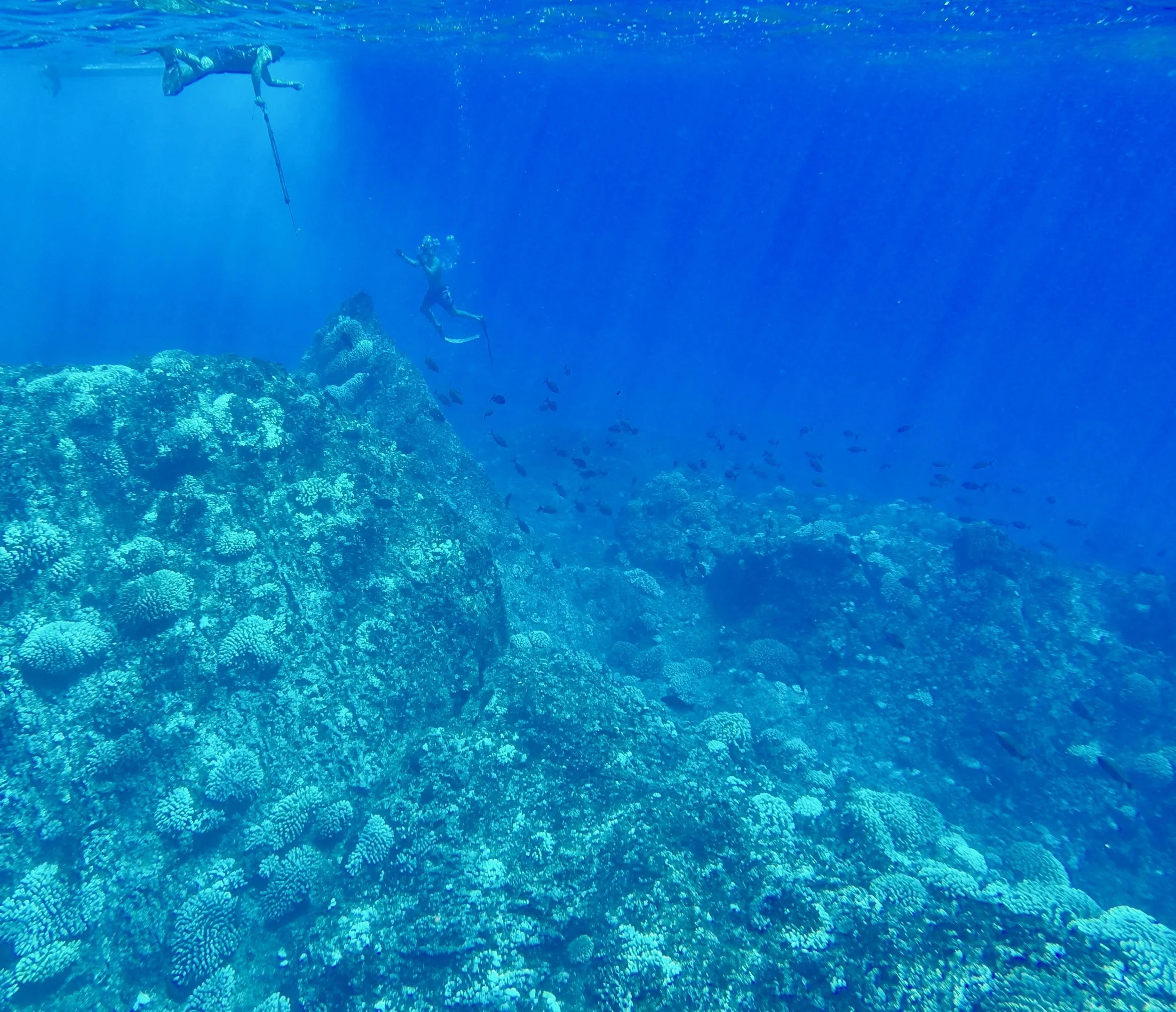
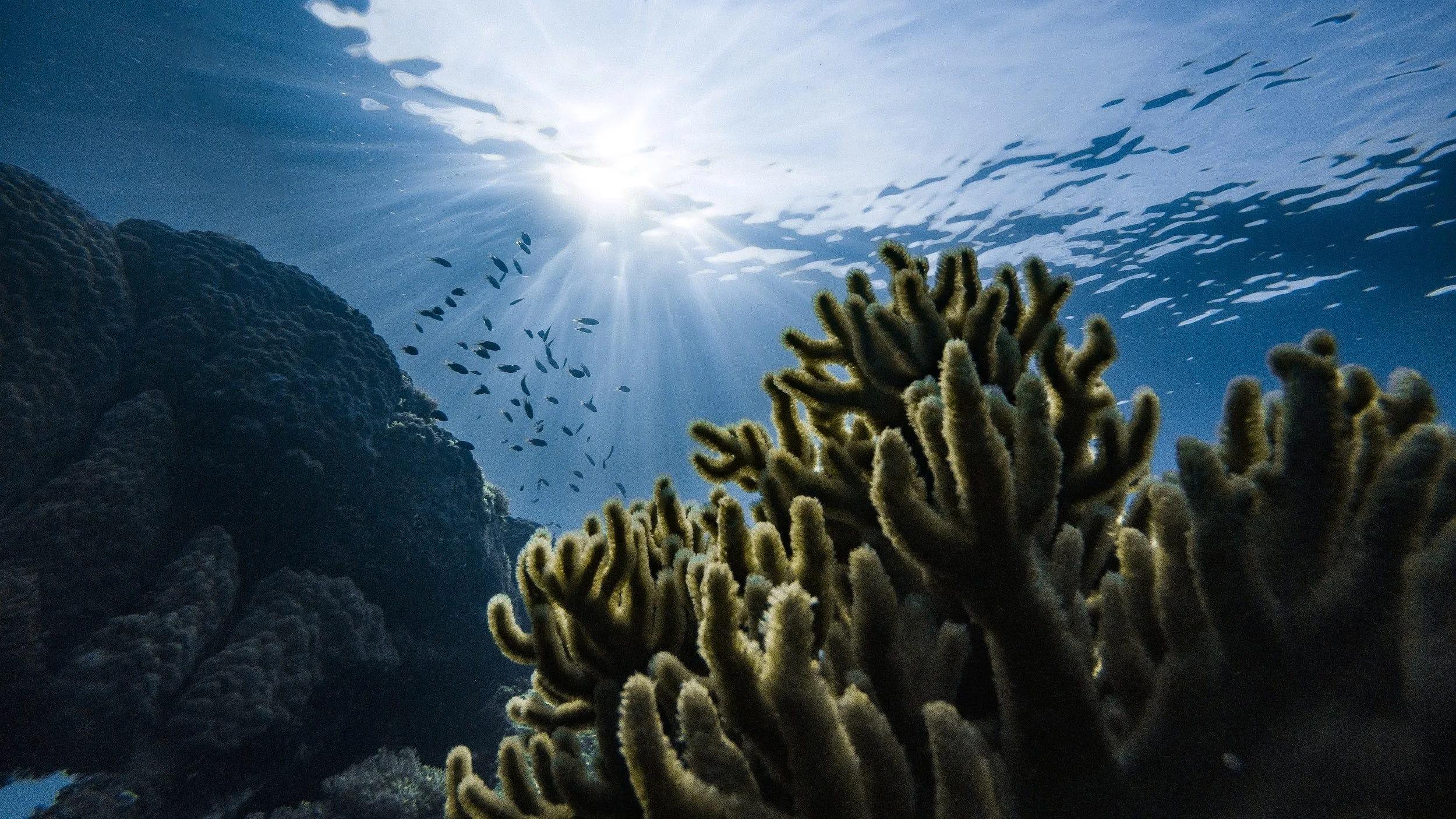
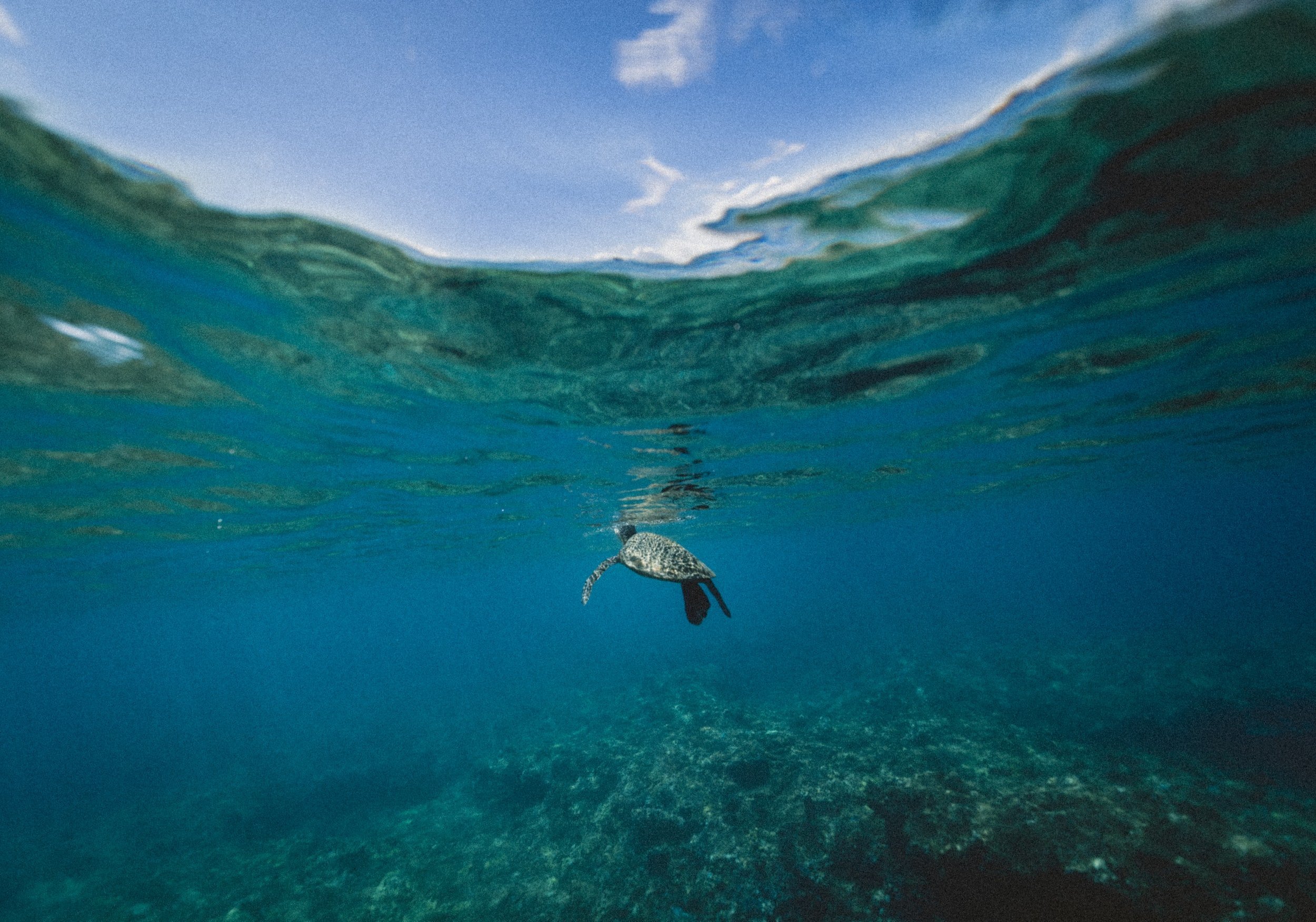
Pitcairn is committed to protecting its marine eco-systems. This is important on a global level which is why a Marine Science Base has been established on Pitcairn itself.
The Pitcairn Islands MPA, established in 2016, increasingly offers visitors the chance to witness and explore an incredible array of marine life in a pristine environment. This will also provide increasing opportunities for the community to benefit economically from sharing our stories, supporting marine research and showcasing our commitment to marine conservation.
Exports
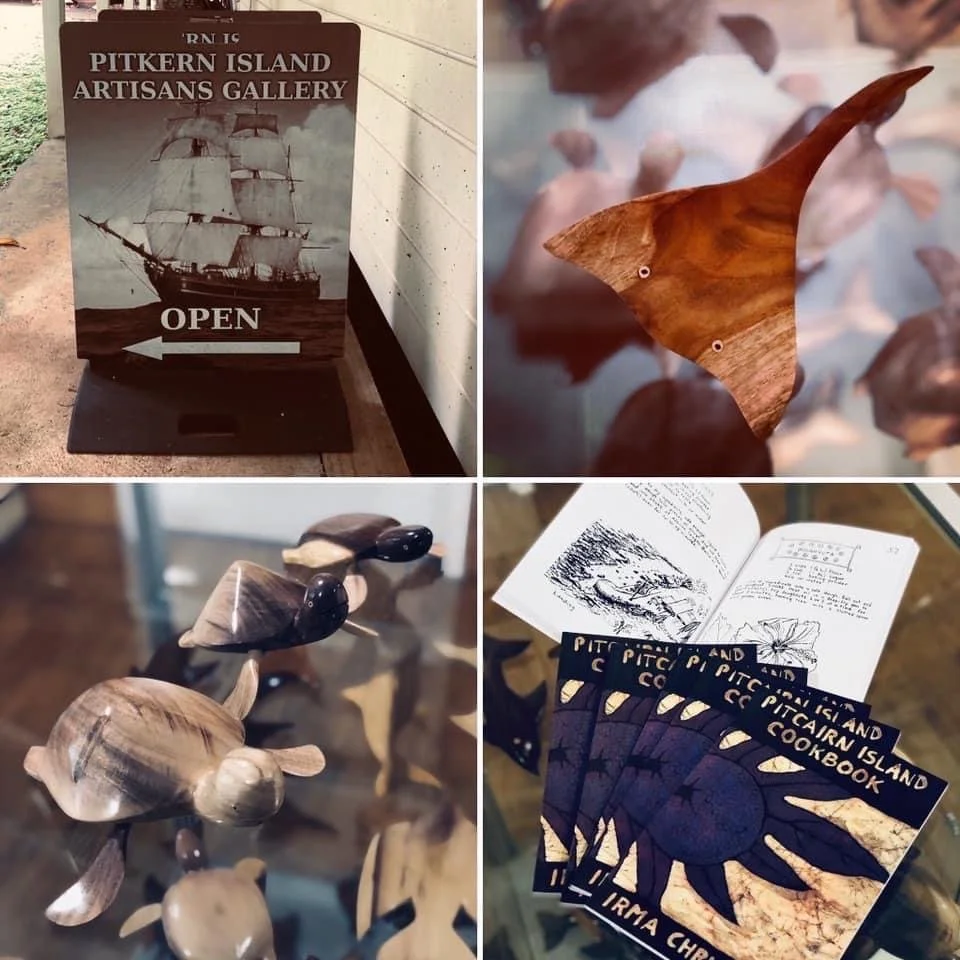
There are many cottage industries on Pitcairn that export goods internationally. Products range from hand-crafted jewellery, wooden and bone carvings, handmade soaps and cosmetics, coffee, dried fruit, traditional Polynesian Tapa cloth, Pitcairn-branded clothing, stamps and first day covers, postcards, books, and of course, Pitcairn’s award winning pure tropical honey. A recent addition to the range of exports is Pitcairn coffee. This industry is in its infancy, but Pitcairn’s climate and topography make it an ideal location for growing high-quality beans for the demanding global market.
Pitcairn Honey & Honey Products
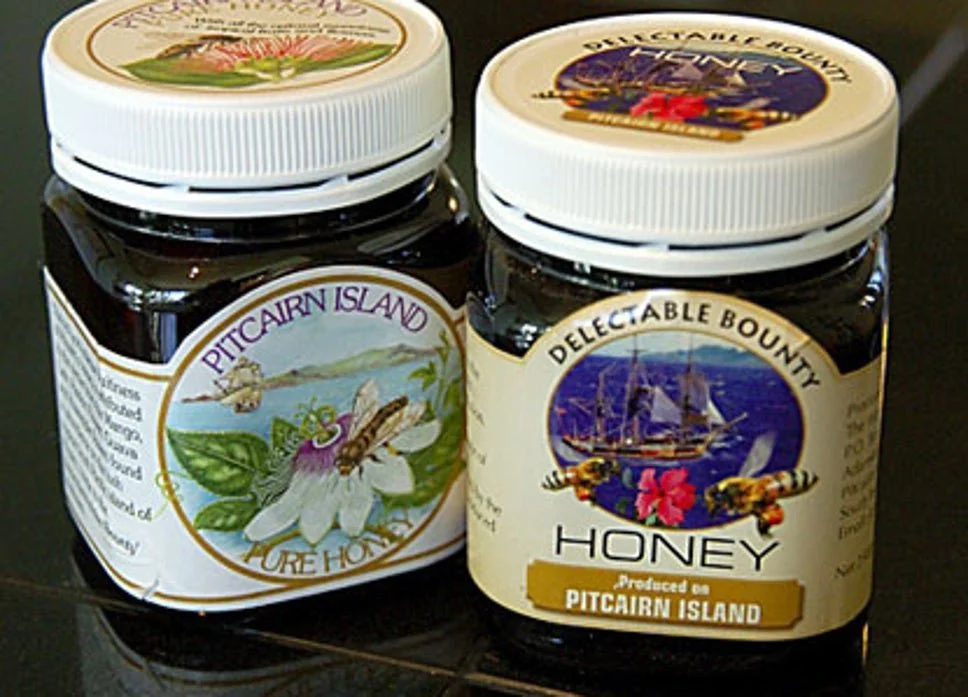
Pitcairn’s honey is justifiably famed among connoisseurs – not only for its purity and unique flavour, but also because Pitcairn Island is one of only a handful of honey-producing areas in the world which is completely free of apian disease. The Pitcairn Producers’ Cooperative, PIPCO, represents Pitcairn’s honey producers, while individual families also market their honey under their own labels. The rich and intense fruitiness of Pitcairn Island Honey flows from the nectar of the mango, lata, passion fruit, guava and roseapple flowers found in abundance on Pitcairn. There is no honey in the world to compare with Pitcairn’s. Bee-keepers are also active in producing other honey-related products, such as soap, cosmetic creams and propolis.